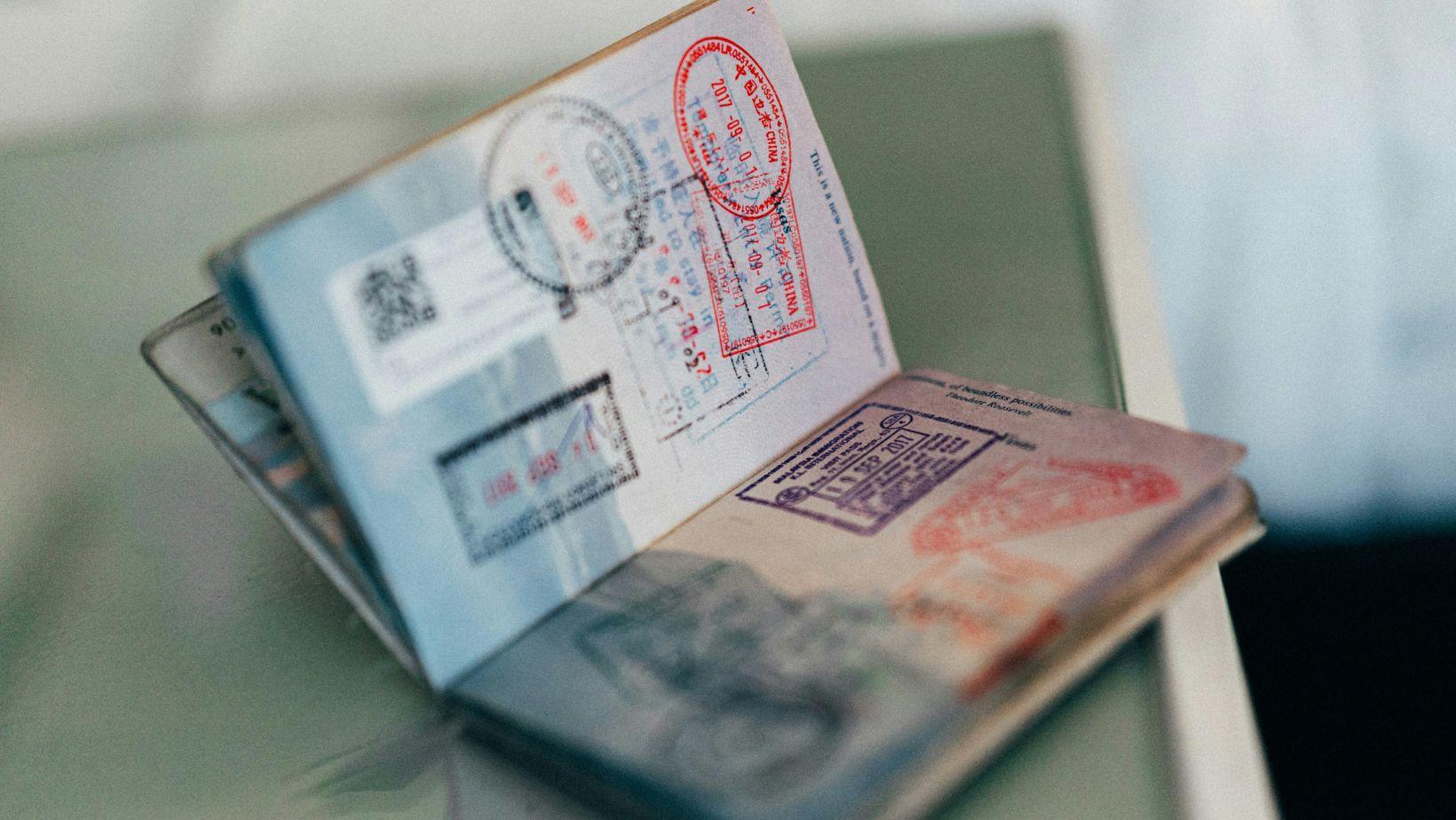
A standard Schengen visa can cover 29 countries. On paper, that makes it one of the best deals in travel. In practice, the application has more moving parts than most people expect. Pick the wrong consulate, bring insurance that doesn’t quite meet the rules, or leave things too late, and a simple trip to Europe can turn into weeks of back-and-forth.
None of this is hard once you know what to look for. Here’s what to sort out before you book that appointment.
Start With Your Passport, Then Check Your Status
Your nationality is the first thing to check. The EU keeps an official list of countries whose citizens need a visa for short stays, so start there. A lot of expats assume that where they live settles the question, and it usually doesn’t. If you live in Dubai on an Indian passport, for example, you’ll generally still need a Schengen visa.
Your residence status can matter too. If you hold a valid residence permit or long-stay visa from a Schengen country, you can generally visit the others for short stays without applying separately. Some groups, such as diplomats, also have their own exemptions. Rules have a way of surprising people, so check the official requirements for your exact passport and status before assuming anything.
Singapore is a good example of how this plays out. Singapore citizens can visit the Schengen area visa-free for short stays, but many permanent residents and work pass holders from countries like India, China, or the Philippines need a visa. If that’s you, you’ll usually apply through the relevant embassy or its visa centre in Singapore, and you’ll need a qualifying travel policy before your appointment. It’s worth taking a few minutes to compare Schengen travel insurance on MoneySmart, so you can check medical limits and repatriation cover against the visa rules rather than guessing.
Apply to the Right Country
This part trips up more people than you’d think. According to the European Commission’s official visa guidance, you apply to the consulate of the country you’re visiting. If you’re visiting several, you apply to the one where you’ll spend the most time. If your stays are equal, you apply to the first country you’ll enter.
Say you’re planning three nights in Paris and five in Barcelona. Spain handles your application, even though you land in France. Count your nights carefully and make sure your bookings line up with what you put on the form. If you apply to a consulate that isn’t responsible for your trip, it can decline to process your application, and that’s time you probably can’t spare.
You’ll also generally need to apply in the country where you legally live, not somewhere you happen to be passing through.
Give Yourself More Time Than the Rules Suggest
You can apply up to six months before your trip, and no later than 15 days before you leave. Processing usually takes about 15 days, but it can stretch to 45 if the consulate wants a closer look or asks for more documents.
So think of 15 days as the bare minimum, not a plan. In busy travel periods, visa centre appointments can book up weeks in advance. Six weeks before departure is a comfortable target, and earlier is better in peak season.
Try to hold off on non-refundable flights and hotels until your visa is approved. Many consulates accept flight reservations or cancellable bookings instead of paid tickets. Requirements differ, though, so check the document list from the consulate or visa centre handling your application.
Make Sure Your Insurance Meets the Rules
Your insurance needs to cover at least €30,000 in medical expenses. That includes emergency treatment, hospital stays, and repatriation, including repatriation of remains. It also has to be valid in every Schengen country for your entire intended stay.
Strictly speaking, the rule only covers your time in the Schengen area. Still, it makes sense to choose a policy that also covers your travel days on either end. That way, you’re protected if a flight is delayed or something goes wrong on the way.
Before your appointment, ask your insurer for a certificate showing your full name, the policy dates, a coverage area that includes Europe (or worldwide), the medical limit, and repatriation cover. Formats vary between insurers and consulates, so use this as a practical checklist rather than an official template.
Supporting Documents Should Tell One Consistent Story
Beyond the form itself, the consulate wants to understand four things: why you’re travelling, how you’ll pay for the trip, where you’ll stay, and why you’ll leave the Schengen area afterward. That usually means recent bank statements, an employer letter confirming your leave, accommodation bookings, and travel reservations. The exact list depends on the consulate and the purpose of your trip.
What matters most is that everything adds up. If your employer letter says ten days off but your hotel bookings cover fourteen nights, expect questions. A large, unexplained deposit just before you apply can also raise eyebrows rather than reassure anyone.
Passport, Photo, and Fee Details to Check
Your passport needs to stay valid for at least three months after you plan to leave the Schengen area, and it must have been issued within the last ten years. Your passport also needs at least two blank pages. Check all of this before you book anything, because renewing a passport in the middle of an application can cost you weeks.
Your photos need to meet international biometric standards, and you’ll give fingerprints at your appointment if required. You may not have to give them again if yours are already on file from an application in the past five years, and some applicants are exempt altogether.
Budget for the fee, too. Adults pay €90. Children aged 6 to under 12 pay €45, and children under six don’t pay at all. Visa centres usually add their own service charge on top.
If your application is refused, the consulate has to tell you why and explain how to appeal. Read the reason carefully. It usually points straight to the document or detail you need to fix.
Keep Your Paperwork Handy at the Border
A visa gets you to the border, but it doesn’t guarantee entry. Border officers can ask for the same documents you gave the consulate, especially proof of funds, accommodation, and insurance. Keep a printed set in your hand luggage and digital copies on your phone. It takes five minutes at home, and it can save you a stressful conversation at passport control.