Every single day, we send billions of messages from our phones. It could be a grocery list to a partner, gossip on a group chat, updates to work colleagues, or photos we’d rather the outside world doesn’t see. When we hit “send”, we instinctively assume our words are private and secure. Only the intended recipients can see what we’re messaging.
But the digital world we inhabit is complex. And risks, from phishing scams, malware and data leaks, are increasingly prevalent. So, how do we know, when we send a text on iMessage or post a picture to the group chat in WhatsApp, that our communications are safe and confidential?
A key part of the answer lies in Cryptographically Secure Pseudo-Random Number Generator (CSPRNG) technology. It goes to work every time you send a message, picture, video, or file and acts as a sort of digital locksmith.
It’s the same algorithm used to secure VPNs, digital signatures in apps like DocuSign, and identities in Google or iCloud accounts. It is even responsible for generating the numbers players get in online casino games, such as on the 10p roulette table, the mechanism designating where the ball will land on the wheel.
By harvesting unpredictable, real-world chaos, such as tiny fluctuations in your device's temperature or the moment your finger taps the screen, the system forges a mathematically unguessable, one-time digital key. In our communications, this is fundamental in the end-to-end encryption that keeps messages private.
Table of Contents
ToggleThe Digital Vault
To understand how this keeps your messages private, we can think of a postcard versus a sealed envelope. Text messaging or emailing without encryption is like sending a postcard that anyone who handles it can read. However, by adding a digital lock and key, we put our communications inside a virtual envelope before they leave the phone.
Because of the CSPRNG, a unique cryptographic key locks that vault on your phone. In order for the receiver to see the message, a matching key is generated on their device to unlock it. You might think: what if someone managed to get the key? Well, due to a process known as the “key exchange”, it isn’t sent with the vault. Both devices independently calculate the correct, matching key using the random numbers provided by their CSPRNGs.
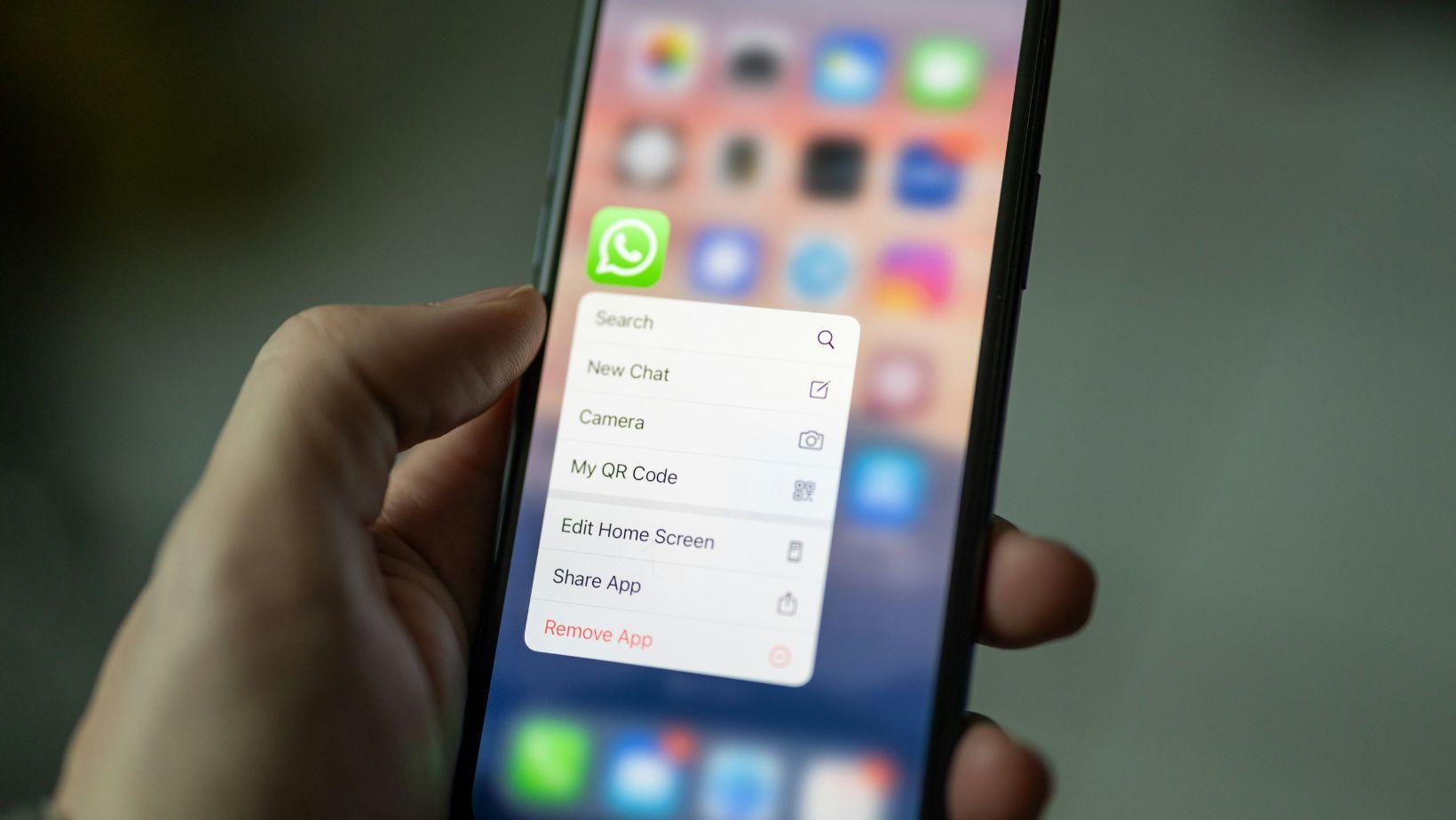
In WhatsApp, for example, when you send a text message or photo, it travels across the internet as a scrambled, unreadable string of characters. If anyone were to intercept it, all they’d see is meaningless digital static. Even hosting providers can’t see the communications because they don’t have the keys. Only the sender and receiver hold them.
But CSPRNG is not done after a message lands at its destination. It is constantly working in the background, generating brand-new, temporary keys for every single message you send. That means, if a key became known by those outside of a WhatsApp group, for instance, third parties still wouldn’t be able to use it to see texts from the past or those sent in the future.
Keeping Our Everyday Conversations Secure
Hitting “send” might be a simple act we all do every day. But behind that push of a digital button is a sophisticated security system in which CSPRNG technology keeps our messages, photos, and files private. With this invisible algorithm, modern messaging apps keep our everyday conversations secure online.