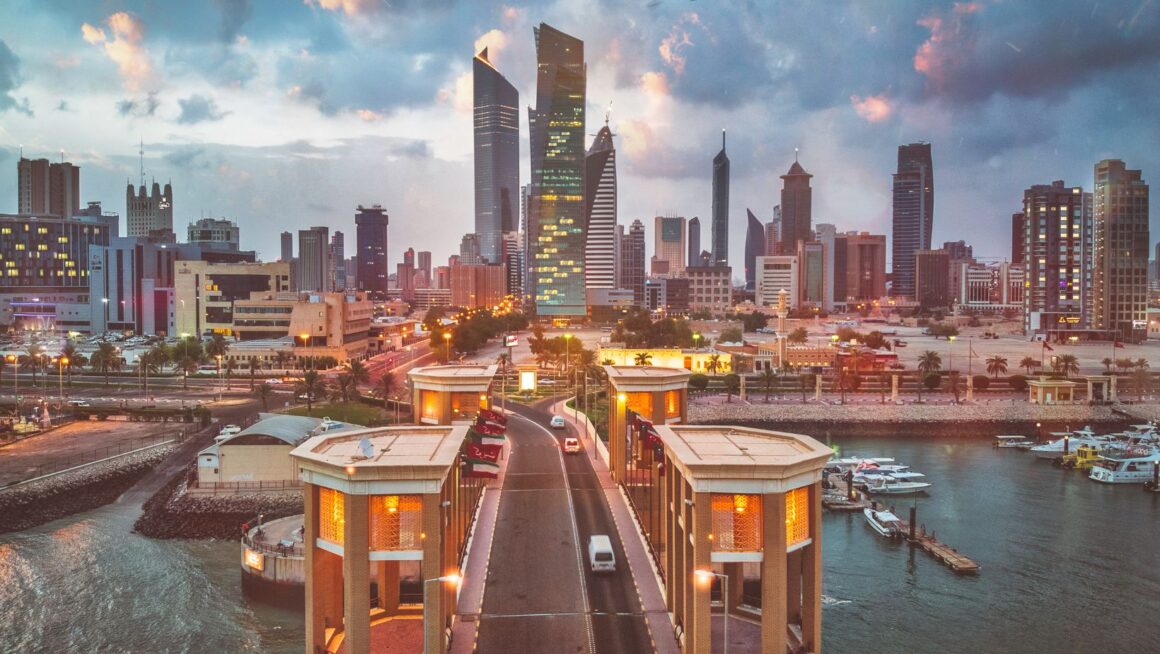
Experts have predicted that Kuwait’s economy is well on its way to fully recovering from the downturn of the past two years.
Next year will be pivotal in the bounce-back thanks to rising oil production, improving private-sector activity and an increasingly investment-friendly landscape.
New data reveals the economy started showing notable improvement in the first half of 2025, increasing 1.3 percent year-on-year. This was the economy’s first positive performance in two years.
Increased crude output and a 2.5% rise in non-oil activity spurred this rebound, bolstered by more business confidence, investment and easier monetary conditions. However, the country still faces a serious fight in boosting and diversifying its non-oil revenue in the long term.
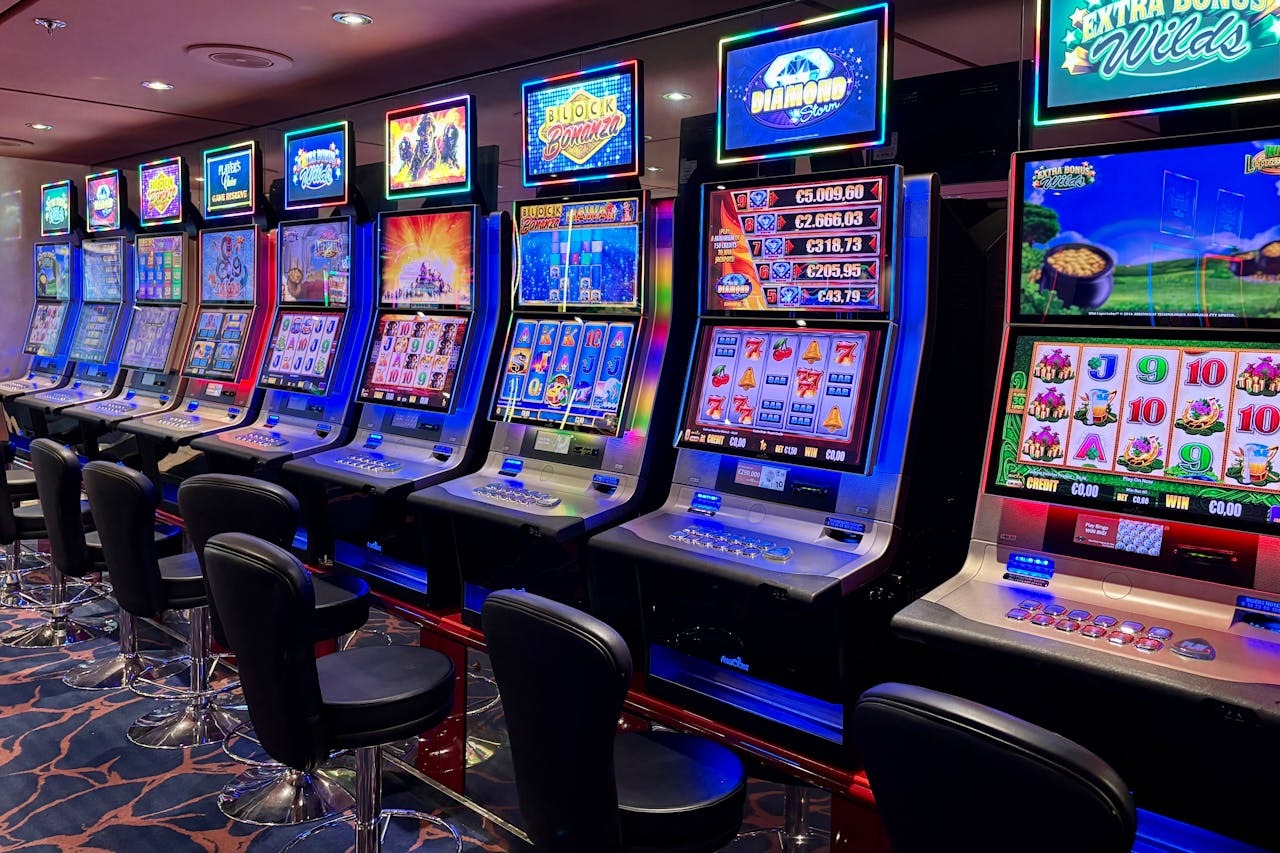
While the government focuses on delivering its Vision 2035 megaprojects and fiscal reforms, many people feel Kuwait is missing a trick by refusing to develop a regulated gambling industry.
A properly curated framework can protect players, keep operators in check and generate substantial tax revenue, accelerating Kuwait’s economic recovery.
Why Economic Diversification is Important
Investment has become one of the most powerful drivers of Kuwait’s economy.
Corporate spending rose by 6.1% in September, real estate climbed 28% in the first nine months, and project awards are on track to match last year’s KD 2.6 billion. Non-oil growth is also expected to go from 2.3% to 3.3% in 2026, but non-oil revenue remains a concern.
Despite introducing a 15% tax on multinationals, increasing government service fees, and approving the long-awaited public debt law, Kuwait’s fiscal deficit will reportedly climb to 4.4% of gross domestic product (GDP) in FY2025-26.
With oil prices forecast at $65 a barrel next year, Kuwait needs new revenue streams to support development spending, reduce the overdependence on hydrocarbons and bolster its creditworthiness.

Kuwait’s economy is crying out for diversification, and there are lessons the nation can learn from proactive international markets, especially the United States.
What US Data Shows About Gambling’s Economic Contribution
According to the American Gaming Association, commercial gaming revenue in 2023 exceeded $66.5bn, the highest on record.
Adding tribal casinos to the equation, nationwide gaming revenue jumped to over $109bn, showing just how profitable a regulated ecosystem can be for the economy.
The American casino gaming industry has generated 1.8 million jobs and over $104bn in wages while contributing more than $52bn annually in taxes to all levels of government.
Some states, such as Nevada and New Jersey, generate as much as 6-8% of their annual tax revenue from regulated gaming. The US uses different tax structures to maximise revenue, and Kuwait can take a leaf from their book.
For instance, Pennsylvania taxes 54% on slot machines, generating over $2bn annually. Nevada charges much lower taxes (around 7.75%), but plays up the tourism angle as Las Vegas attracts more than 40 million people per year.
Even the online gambling sector has been profitable, with New Jersey and Michigan generating up to $300m in annual state revenue despite their small size.
Kuwait can learn from the US how to use a regulated system to create meaningful revenue, boost employment and attract foreign investment.
How a Gambling Framework Could Complement Kuwait’s Recovery
Kuwaitis are showing interest in online gaming, as evidenced by the increased internet searches around gambling despite the government placing a nationwide ban on the activity.
Many Arab citizens, especially the young, tech-savvy demographic, have opened accounts at the best online casino in Kuwait over the past couple of years.
The increased interest in iGaming presents an opportunity for the government to build a world-class regulatory framework, one that allows it to generate tax revenue while keeping players protected.
Even if limited to digital gaming, iGaming can accelerate Kuwait’s growth recovery in several ways. A basic conservative model can generate hundreds of millions of dollars for the economy.
For example, state-run digital lotteries, a low-risk, high-return venture with regulatory oversight, would do wonders for the national coffers.
Granting licenses to trusted gaming companies to operate only in Kuwait’s tourism zones would attract foreign direct investment while ensuring the government maintains control over gaming.
The US model is a working proof of how regulated gaming can bolster job creation across hospitality, digital services, IT, infrastructure, payments, security and more.
This perfectly ties into Kuwait’s plans to boost private-sector employment and encourage smaller businesses under Kuwait’s Vision 2035, giving young people, especially those in technology, a new career pathway.
Kuwait’s gambling revenues could be used to fund infrastructure development, housing finance and digital transformation.
A regulated gaming framework would also prevent gamers from visiting unlicensed platforms that do not pay tax to the Kuwait government. Regulation will redirect revenue to proper channels.