
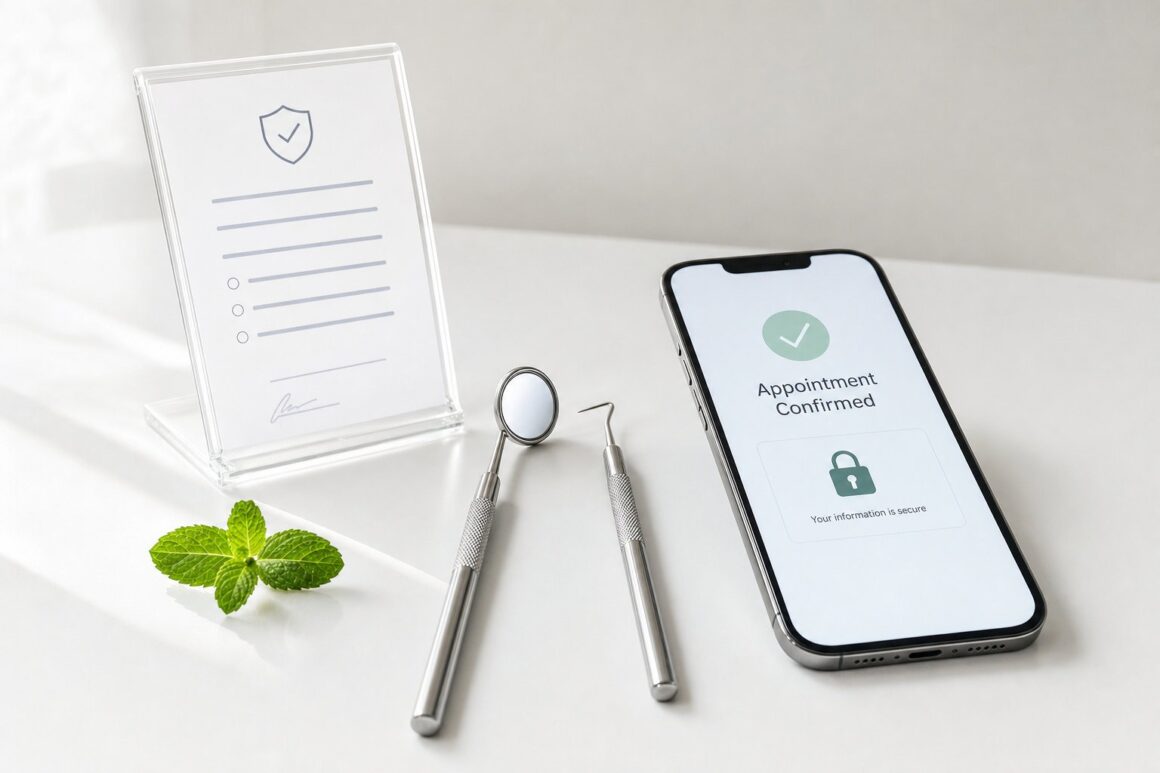
Trust forms the foundation of private dental services, influencing both patient choice and long-term loyalty. As expectations of transparency and professionalism grow, dental providers face new challenges in cultivating patient confidence. This article examines how evolving standards and digital trends are affecting the trust dynamic in private dentistry.
Modern patients are increasingly empowered, using digital platforms to compare providers and scrutinise every aspect of their care, whether they are choosing a dentist in Peterborough or evaluating other private providers. For private practices, this shift means dental clinics often need to go beyond technical competence to establish trust through clear communication, ethical practices, and a seamless patient experience. For business readers, understanding these dynamics offers insights about reputation management and consumer expectations in high-touch service sectors.
As dental care becomes more competitive, trust emerges as a significant factor that shapes patient decisions and business outcomes. Maintaining confidence depends not only on clinical results but also on how consistently a practice communicates, delivers services, and follows up after treatment.
Table of Contents
ToggleKey pillars that shape trust in dental care
Patient trust in private dental services rests on several core pillars. Competence, transparency, fairness, and continuity of care are commonly seen as important factors that influence confidence in a provider. Patients seek evidence of up-to-date skills and professional standards but also value honesty in communications and billing practices.
Transparent explanations of treatment plans help foster confidence, as do clear consent practices that respect patient autonomy. Technical skill alone is not sufficient. Patients take notice of the overall experience. Consistency, from initial consultation to aftercare, helps reinforce reliability and integrity throughout dental treatment.
Informed patients and new expectations for service
Consumer behaviour has shifted with increased online access to dental information. Patients frequently research symptoms, providers, and procedures before booking an appointment. They may read reviews, compare treatment options, and arrive better informed about their needs and preferences.
This development challenges clinics to communicate openly and address questions or concerns. Providers must recognise that informed patients often have higher expectations for transparency and individualisation. Trust can rely on balancing professional expertise with patient involvement in decision-making.
Clear communication without overwhelming patients
Transparency in private dental services is increasingly expected. Patients commonly want providers to be clear about costs, risks, and alternative treatments. When discussing treatment plans, clinicians need to provide enough information for informed consent while avoiding excessive technical jargon that may confuse.
Good communication involves tailoring explanations to each patient’s level of understanding, using visual aids where appropriate, and ensuring each person feels heard and respected. These measures can help clarify dental processes and keep the focus on patient wellbeing rather than just transactional details.
Everyday brushing advice offers a practical example of this transparency. Clinicians can explain why consistent brushing matters and discuss evidence showing that powered toothbrushes reduce plaque and gingivitis more than manual brushes on average. If a patient asks about an electric toothbrush, the conversation should distinguish this general research from model-specific claims and consider the patient’s needs, preferences, and budget.
Consistency and digital touchpoints across the patient journey
Building trust extends beyond the treatment chair. From the first enquiry to post-appointment follow-ups, patients notice details like responsive communication, efficient booking systems, and attentive aftercare. Each touchpoint affects overall confidence.
Digital tools now support stages of the patient journey, from online booking and reminders to secure patient portals that provide access to records and updates. Reliable technology can indicate professionalism and support confidence in data handling. However, unclear processes or lost information may erode trust if not addressed promptly and transparently.
Managing reputation and social proof ethically in dentistry
The role of online reviews and public feedback has grown, with patients often making choices based on others’ experiences of a provider’s approach, results, and professionalism. Social proof can support trust, but it must be managed in line with ethical and regulatory expectations in healthcare.
Clinics may monitor and respond to feedback, demonstrating openness to concerns and a willingness to resolve issues, including for complex, high-value treatments where patients might seek a best dental implant clinic in London based on verified outcomes and professional standards. Positive reviews can be useful, but should not compromise confidentiality or professional boundaries. Maintaining these standards helps support patient trust and the integrity of private dental services over time.