
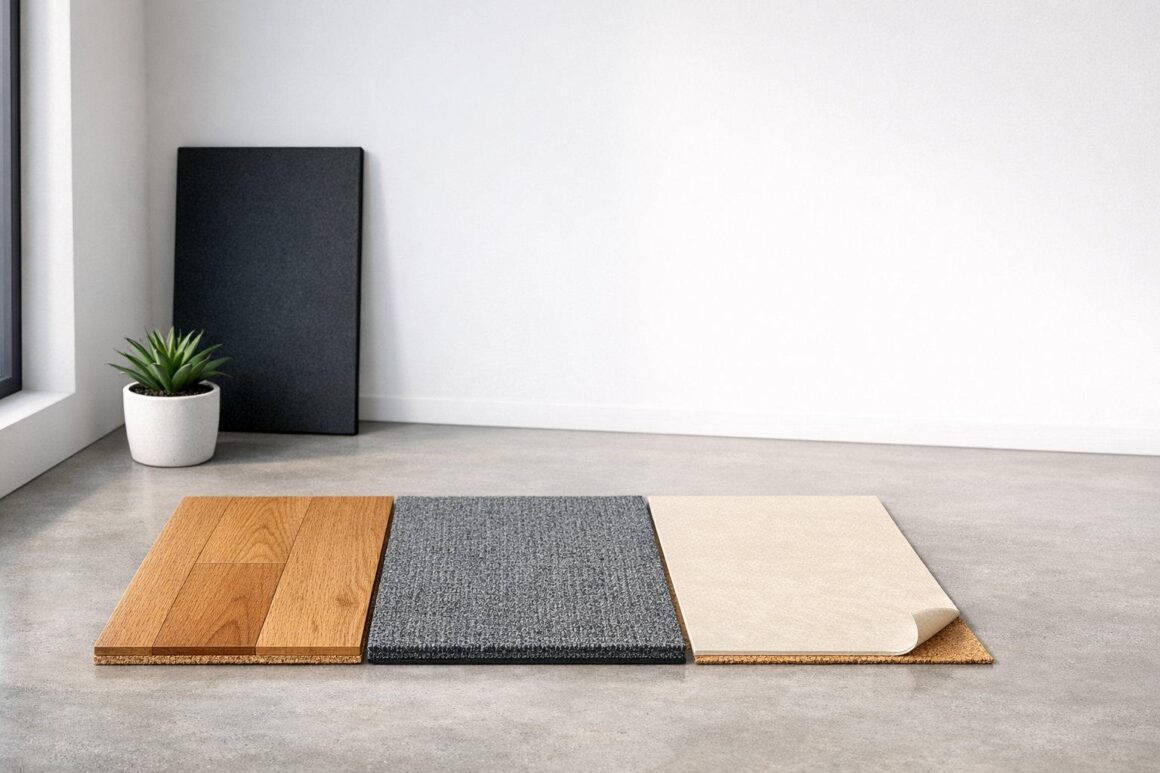
Thoughtful flooring choices can have a significant impact on daily comfort, mood, and health in the workplace. From underfoot support to air quality and acoustics, well-designed flooring surfaces may contribute to both well-being and productivity. Carefully considering these features can enhance staff experience and operational efficiency.
Modern discussions about workplace wellness increasingly emphasise the role of the physical environment, including key elements such as Flooring in St Helens. Whether in offices, healthcare settings, or retail, flooring selection and design directly influence comfort, performance, and safety every day. Rather than serving as a neutral backdrop, flooring choice can affect safety, concentration, and workplace identity. As businesses reconsider office layouts, flooring stands out as a feature with potential to offer functional and psychological benefits.
Table of Contents
TogglePrioritising comfort and ergonomics in flooring selection
Standing or walking for extended periods on unsuitable flooring can contribute to fatigue or joint discomfort, affecting employee well-being. The choice of flooring material matters: softer, resilient surfaces such as cushioned vinyl or carpeting are often selected for areas where workers must stand for long periods, while firmer options like wood or tile might be chosen for spaces with heavy equipment.
Understanding job roles is important for identifying suitable flooring types. Employees who alternate between sitting and walking may appreciate surfaces that provide balanced support and resilience, helping to minimise strain and discomfort over time. Tailoring flooring selection in this way can contribute to a more ergonomic and adaptable workplace.
Beyond material choice, flooring thickness and layering systems can further enhance ergonomic benefits. Multi-layer installations with shock-absorbing underlays provide additional cushioning that helps reduce impact stress on lower limbs and the spine. In environments where employees perform repetitive tasks while standing, such as assembly lines or reception desks, investing in ergonomically designed flooring solutions may contribute to reduced absenteeism and improved long-term musculoskeletal health. Some workplaces also incorporate anti-fatigue matting in strategic locations to complement permanent flooring, offering targeted relief in high-stress zones without requiring complete floor replacement.
Managing acoustics and stress with the right materials
Noise in open-plan offices is commonly linked with increased stress and reduced concentration. Flooring materials and underlays play a part in managing these effects, as softer surfaces like carpet help absorb impact sounds, support speech privacy, and reduce distractions.
Floor types in high-traffic hallways or collaborative spaces may require extra noise-reducing properties to limit echoes. Choosing sound-mitigating flooring options can support employee focus and contribute to overall workplace wellness, especially in active or client-facing areas.
Ensuring air quality and a healthy environment indoors
Flooring choices can influence indoor air quality, particularly when materials, adhesives, or finishes emit volatile organic compounds. Selecting low-emission flooring products can help reduce potential exposure, creating healthier shared spaces for all staff.
Installers and facilities managers should also consider how cleaning routines interact with indoor air quality. When flooring is maintained with appropriate products and methods, it can discourage the build-up of dust, allergens, and chemical residues in the environment, helping to provide a safer and more comfortable atmosphere.
Balancing safety, accessibility, and operational hygiene
Slip resistance is an important consideration for reducing workplace accidents, notably in entrances, kitchens, or other areas where spills may occur. Using textured finishes and clear transitions between different types of flooring can lower trip risks while supporting inclusive design principles.
Accessibility must also be considered for those using mobility aids. Flooring with level transitions and minimal seams can benefit wheelchair users and others moving equipment such as carts or trolleys. From a hygiene perspective, surfaces that are easy to maintain and quick to clean contribute to operational efficiency and maintain standards throughout the workplace.
High-traffic workplaces may require stain-resistant flooring, with reduced maintenance demands helping to minimise disruption and control long-term costs. By evaluating design, durability, and day-to-day practicalities, flooring decisions can help maintain cleanliness and support a healthy work environment year-round.