
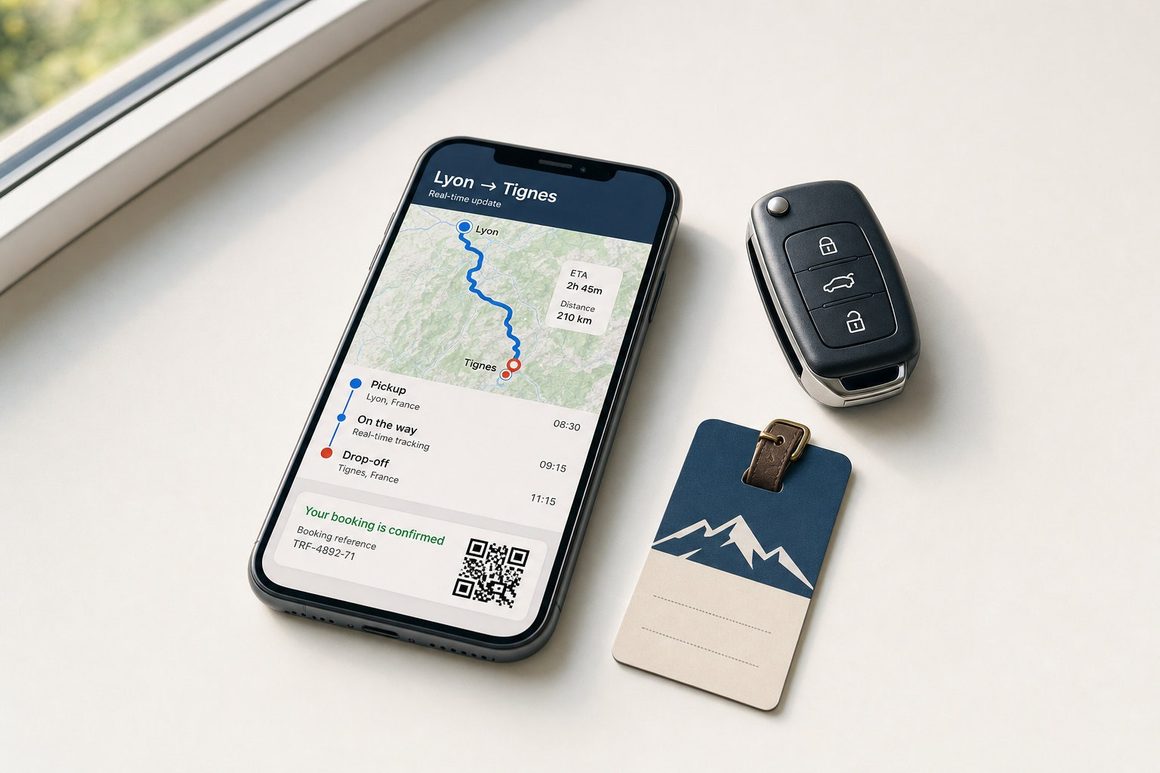
Passengers now judge transport services by the speed, clarity, and reassurance they receive online. A smooth digital journey can influence booking decisions just as strongly as price or travel time. For operators, strong technology has become a direct part of customer service rather than a feature in the background.
That shift is easy to see on routes such as Lyon to Tignes, where travellers expect quick booking, clear timings, and reliable updates before departure. The standard is no longer set only by transport companies, but by every polished app and checkout experience people use elsewhere. When information is easy to find and simple to trust, customers feel more in control from the first search to the final drop off. That sense of control often shapes whether they book again.
Table of Contents
ToggleBooking needs to feel simple and reliable
The first digital impression often decides whether a customer keeps browsing or completes a reservation. If prices are easy to read, journey details are clear, and steps are limited, booking feels less like a task and more like a service. People want to know what is included, what happens if plans change, and when confirmation will arrive. Confusing layouts or vague wording can undermine confidence before a trip has even begun. By contrast, straightforward booking tools reduce hesitation and encourage trust early.
That matters even more for airport and resort transfers, where timing is often tight and expectations are high. A traveller landing after a long flight does not want to decode unclear baggage rules or search through hidden conditions. They want certainty around collection points, payment, and support options. Good digital design removes friction by answering practical questions before they become worries. In a crowded market, that kind of reassurance can distinguish one provider from another.
Real time updates have become part of the service
After a booking is made, passengers still expect the same level of visibility. They want live confirmations, pick up reminders, delay notices, and location details that help them prepare without extra effort. When updates arrive at the right moment, travellers feel looked after rather than left to guess. This is particularly valuable during winter travel, when traffic, weather, and flight changes can affect transfer schedules. Timely communication helps reduce stress and keeps small disruptions from becoming larger frustrations.
Real time tools also improve the customer experience because they create a feeling of accountability. If passengers can see where their driver is, when the vehicle is due, and how to get assistance, confidence tends to rise. That clarity benefits both sides, since fewer misunderstandings lead to smoother handovers and less pressure on support teams. Reliable communication is not simply a technical extra anymore. It has become part of what customers believe they are paying for.
Trust is built through transparency and support
Digital convenience works best when it is matched by honest communication. Customers are more likely to return when policies are visible, payment processes are secure, and support is easy to reach. Instant confirmations and digital receipts may seem basic, yet they still signal professionalism and care. Small touches, such as clear cancellation steps or direct contact options, can carry real weight when plans suddenly change. Trust grows when the platform behaves predictably at every stage.
This is especially relevant for leisure trips built around fixed plans, equipment, and accommodation schedules. Someone researching Skiing in Tignes is likely to value precision because the wider holiday depends on dependable transport. If a service combines clear booking terms with responsive updates, it supports the entire trip rather than just one segment of it. That broader sense of reliability is what modern passengers remember. It is also what turns a one off booking into repeat business.
Better operations create a better passenger experience
Behind the scenes, strong digital systems help operators deliver the consistency customers now expect. Dispatch software, route monitoring, and driver communication tools make it easier to respond when roads, weather, or arrival times change. The result is a service that feels steadier from the passenger side, even when conditions are less than ideal. Operational visibility allows providers to make faster decisions and keep customers informed without delay. That combination of efficiency and communication strengthens the overall experience.
For transport businesses, digital improvement is no longer only about internal efficiency. It shapes reputation, customer retention, and the likelihood of positive word of mouth. Passengers notice when journeys feel coordinated, updates are accurate, and support is available without friction. They may not see the systems working in the background, but they recognise the confidence those systems create. In modern travel, dependable technology and dependable service are now closely linked.