
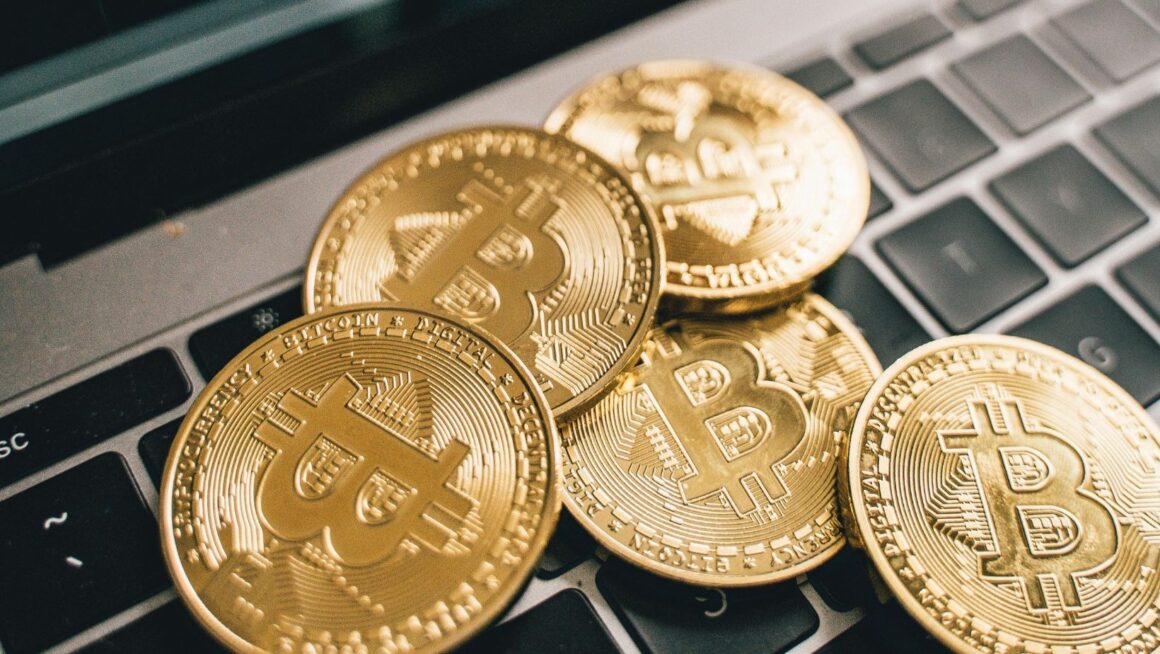
Bitcoin and the U.S. dollar have never been a mere exchange rate. It represents a complex intersection of monetary policy, international finance, regulatory changes, and market psychology. With the rise of Bitcoin as an asset and the growing acceptance of Bitcoin as a medium of transaction, the relationship between Bitcoin and the dollar is increasingly a measure of the coexistence of digital and traditional economies. As regulatory systems become stricter around the globe and the Federal Reserve navigates the grey policy waters, the future of this relationship is changing.
The current usd to btc debate is no longer restricted to traders and speculators. It has spread to the mainstream, including governments, companies, and ordinary investors who want to have some sense in a more and more turbulent environment.
Regulation is the First Domino
The most significant factor influencing the position of Bitcoin in relation to the dollar is regulation. The topic of securities classification, stablecoin laws, and tax systems within the United States affects market access as well as investor confidence. Cryptocurrency exchanges, such as Binance, one of the largest in the world, usually bear the brunt of these developments. As compliance standards are reviewed or U.S. authorities issue warnings, it has a ripple effect that directly influences the trading volumes of USD/BTC.
Clarity in regulation may be a two-edged sword for traders. Although tighter regulation can help reduce some of the speculative activity, it may also help to attract institutional investors who appreciate transparency. Once the giant asset managers become confident in exchanges such as Binance, which have clear U.S. regulations, the liquidity of the BTC/USD pair will be even more pronounced. On the other hand, any ambiguity or conflicting enforcement efforts will threaten to send trading activity offshore, thereby undermining the impact of the dollar on cryptocurrency markets.
Richard Teng, the CEO at Binance, weighed in on the domino effect needed for global adoption: “Global adoption often starts with a single domino. Now that crypto is being recognised as a legitimate financial instrument within one of the world’s largest retirement systems, the question is no longer what, but when.”
Dollar Policy and its Ripple Effect
The federal decisions made by the Federal Reserve have a significant impact on the BTC/USD relationship. The strength of the dollar is determined by interest rate adjustments, inflation control actions, and quantitative easing initiatives and this determines the direction that Bitcoin will follow in terms of its attractiveness. Bitcoin tends to gain when the dollar becomes weaker due to a loose monetary policy, forming an alternative store of value. On the other hand, Bitcoin can be negatively affected by a stronger dollar, which may press on the upward trend of Bitcoin.
Other international exchanges, such as Binance, have enabled traders to respond to these changes in real time more than ever before. Any hawkish Fed news can trigger sell-offs in BTC/USD on Binance, while any dovish news can trigger rallies. In this respect, the decisions made by dollar policymakers no longer remain localised to the old financial institutions; decisions are felt at both the decentralised networks and the retail platforms simultaneously.
For example, Binance Research have noted Michigan’s recent move towards regulating crypto, an event that affects the overall crypto price: “Michigan passed a bill allowing up to 10% of state funds to be held in Bitcoin and crypto. The assets will serve as a long-term strategic reserve, aligning with moves by states like Texas and New Hampshire.”
The Global Context of USD/BTC
Although the U.S dollar is the reserve currency in the world, its reign is becoming challenged in online markets. Bitcoin is by definition borderless. However, its valuation in USD keeps world opinion pegged. On Binance, BTC/USD trades are consistently among the largest in the world, which supports the primacy of the dollar in cryptocurrency prices.
This contradiction, that Bitcoin is a borderless asset yet still denominated in dollars, highlights the fact that the two are inseparable. In the event of U.S. regulatory policy tightening, it will encourage other areas to question the dominance of the dollar in crypto markets. Pairs that are Euro-based or yen-based can become more popular, yet, at present, the BTC/USD is the standard. The importance of Binance in providing various fiat on-ramps is an example of how regional differences continue to revolve around the dollar.
Innovation vs Compliance
The conflict between innovation and compliance preconditions the further development of BTC/USD relations. Exchanges such as Binance succeed through high-speed product development, including futures contracts and decentralised wallets. However, such innovations often encounter regulatory barriers. The trading of derivatives has been a hot topic in the U.S., where regulators have been concerned with consumer protection and market security.
How USD will interact with Bitcoin in the future will depend on how much Binance and other platforms can conform to compliance without hindering innovation efforts. When frameworks are in place that encourage innovation instead of hindering it, BTC/USD will have the potential to serve as the foundation of a more developed and globally connected digital economy. Otherwise, the tension may create a rift between the U.S. markets and the broader crypto space.

Furthermore, innovation in other areas of business may also affect the crypto space, as noted by Binance Research with OpenAI’s and NVIDIA’s $100B plan: “NVIDIA’s $100B plan to invest in OpenAI creates a self-reinforcing capital loop, drawing comparisons to past crypto treasury strategies. This AI boom is attracting major institutional capital, positioning itself as a strong competitor for liquidity that might otherwise flow into digital assets.”
Market Psychology and Institutional Adoption
The institutional adoption continues to rewrite the BTC/USD narrative. Big money, businesses and even governments are taking notice of the interactions between Bitcoin and fiat currencies. Binance has played a critical role in providing the infrastructure that enables these large players to enter the market, offering liquidity, custody, and sophisticated trading instruments.
However, the psychology of the market is closely tied to the news cycle. A simple regulatory message or a change in Fed policy can shift billions of dollars of value within hours. Until the moment when the arena of such changes shifts to exchanges like Binance, the role of the dollar in the price of cryptocurrencies will be simultaneously dominant and disputable.
The Future of USD/BTC
In the future, the trends in BTC/USD will be characterised by three forces: regulatory visibility, dollar policy, and exchange infrastructure. If U.S. regulators set clear rules and the Federal Reserve manages to avoid inflation without losing control of the economy, Bitcoin can gradually become a complementary asset rather than an adversary one.
The role of Binance will be decisive. The ability to bridge retail and institutional demand, adherence to international standards, and innovation under regulatory constraints will determine the strength of the BTC/USD markets. It is not about whether Bitcoin and the dollar will continue to interact or not: they are already inseparable, but rather how the interaction between these two factors will change.
A Magnetic Force is Emerging
The BTC/USD relationship reflects more significant financial stresses. It echoes discussions of sovereignty, regulation, innovation and trust in monetary systems. Although Bitcoin was created to replace fiat, it cannot escape the magnetic force of the dollar, at least for now.
As U.S. monetary policy finds itself at a crossroads due to regulation, both in Washington and in exchanges such as Binance, you must be aware as a trader that the future of BTC/USD will be decided. With this changing scene, the pendulum between liberty and regulation will not only determine the future of the world’s largest cryptocurrency but also the future of the dollar in defining the world’s value.