
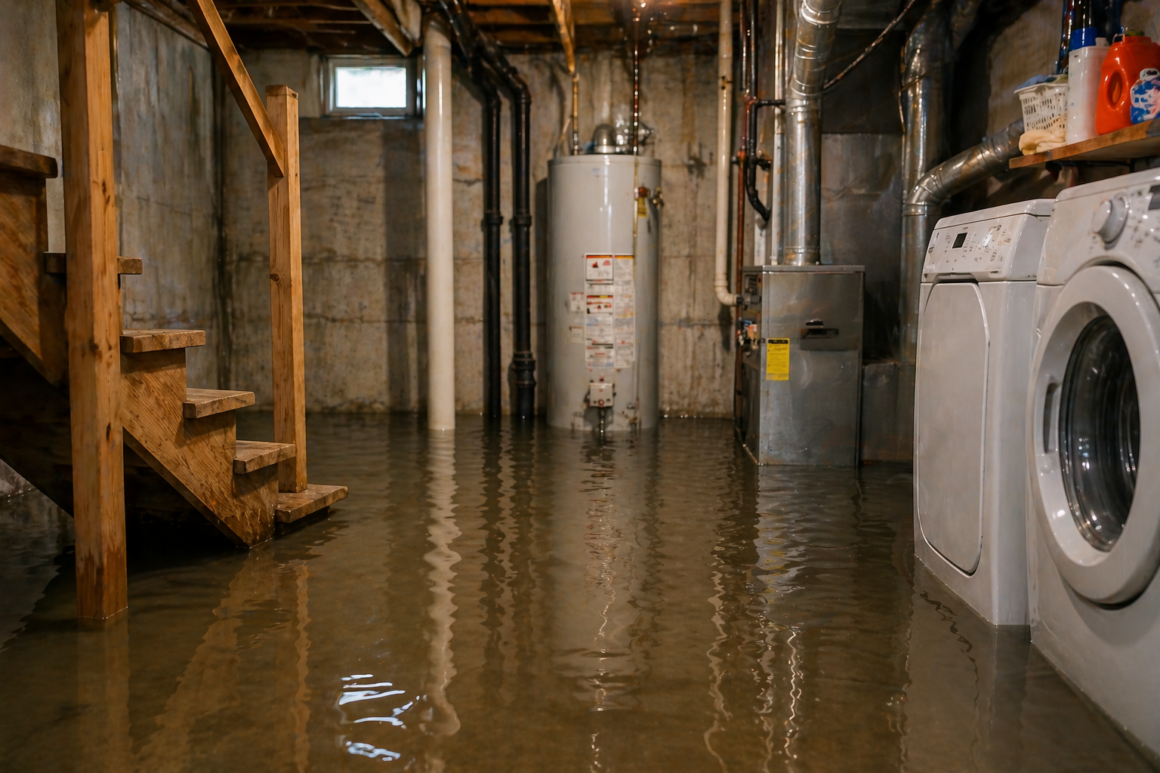
There is a specific kind of dread that comes with walking down the basement stairs and hearing the unmistakable sound of a splash. For many homeowners, the basement is a “set it and forget it” space, yet in Ontario, water damage accounts for over 50% of home insurance claims. In a region like Niagara, the geography and climate can turn a dry cellar into a swimming pool in a matter of hours. Basement flooding in Niagara Falls often happens when it is least convenient, catching residents off guard during a midnight rainstorm or a rapid spring thaw.
Many people ignore the subtle warning signs, assuming a small damp spot is just a quirk of an older home. However, when the water table rises, many homeowners find themselves urgently searching for an emergency plumber Niagara Falls residents can call to mitigate a crisis before it destroys the foundation. While professional intervention is vital during a flood, understanding why these incidents occur—and the common factors homeowners frequently overlook—is the first step toward long-term prevention.
Table of Contents
ToggleWhy Basement Flooding Is More Common Than You Think
Niagara Falls is world-renowned for its water, but for local property owners, that water can be a double-edged sword. The region’s unique combination of aging municipal infrastructure and high water tables creates a challenging environment. Many neighborhoods feature homes built decades ago, utilizing drainage technologies that were not designed to handle the increased frequency of heavy rain events.
Furthermore, the local soil composition often contains heavy clay, which retains moisture far longer than sandy alternatives. When heavy rain hits, the ground becomes saturated quickly, which leads to several critical issues:
- Increased hydrostatic pressure against basement walls
- Rapid water accumulation around the foundation
- Limited natural drainage due to dense soil structure
Without a perfectly functioning drainage system, basement water damage in Niagara Falls is no longer a “what if” scenario – it becomes a matter of “when” as water finds the path of least resistance through your floor.
The 5 Most Common Causes Homeowners Ignore
1. Clogged or Damaged Drain Systems
It is easy to assume that if the water goes down the sink, the pipes are fine. However, the main sewer line and perimeter drains (weeping tiles) are often the most neglected components of a home. Over years, debris, cooking grease, and mineral deposits build up, narrowing the passage for wastewater.
In the Niagara region, tree roots are a particularly persistent culprit. The roots of mature maples seek out moisture inside old clay pipes, entering through tiny cracks. When a storm hits, a partially clogged drain cannot keep up, leading to a flooded basement in Niagara Falls that can ruin a finished space in minutes.
2. Sump Pump Failure
The sump pump is the heart of a basement’s flood defense system, yet it often sits uninspected for years. Homeowners frequently rely on these devices without realizing they have a limited lifespan—usually around seven to ten years.
Mechanical failure is common, often caused by a stuck float switch. However, the most overlooked issue is power dependency. Since most basement flooding in Niagara Falls occurs during severe thunderstorms, power outages are frequent. Without a functional battery backup, your pump is useless exactly when you need it most.
3. Foundation Cracks and Structural Weak Points
Small cracks in a basement wall are often dismissed as “settling.” While some movement is normal, any fissure is a potential gateway for groundwater. As the soil becomes saturated, hydrostatic pressure pushes water against the foundation. Even a hairline crack can allow significant basement water damage to occur over time, especially during the spring melt when the ground is frozen and cannot absorb surface water.
4. Sewer Backup Niagara Falls: System Overload
A sewer backup is perhaps the most unpleasant cause of water damage. This occurs when the municipal sewer system becomes overwhelmed by heavy rain, causing wastewater to flow backward through the home’s lateral line. Many older properties lack a backwater valve—a device designed to prevent wastewater from flowing back into your home. Without this protection, a surge in the city’s system can result in raw sewage entering through floor drains.
5. Poor Yard Drainage and Grading
Often, the cause of basement flooding in Niagara Falls isn’t inside the house; it’s in the yard. Over time, soil can settle, creating a “bowl” effect that directs rainwater toward the foundation. Clogged gutters and short downspouts are the primary contributors. If a downspout dumps water within two feet of the foundation, it is essentially funneling a concentrated stream directly into your weeping tiles, overwhelming the system.
Red Flags: Signs You’re at Risk
Early detection is the difference between a quick fix and a massive restoration bill. If you notice any of the following, your basement is likely already taking on water:
- The “Old Basement” Smell: A persistent musty odor is usually hidden mold or moisture.
- Chalky Walls: White, powdery streaks (efflorescence) mean water is migrating through the concrete.
- Bubbling Paint: If paint or wallpaper is peeling near the floor, moisture is trapped behind it.
- Gurgling Drains: Noises from your floor drain indicate a main-line blockage is forming.
- Warped Baseboards: Any swelling or discoloration at the floor level is a sign of frequent seepage.
How to Prevent Basement Flooding Before It Starts
Prevention is largely a matter of routine maintenance. Homeowners should make it a habit to test their sump pump by pouring a bucket of water into the pit to ensure it triggers. Additionally, installing an inexpensive water alarm on the basement floor can provide an early warning the second moisture is detected.
Annual exterior inspections can also yield great results. Ensuring that downspout extensions carry water at least six to ten feet away from the foundation is one of the most effective ways to reduce the load on your home’s drainage. For those in older neighborhoods, having a professional “snake” the main drain line every few years can prevent the buildup that leads to catastrophic sewer backup in Niagara Falls.
When to Call a Professional
While DIY maintenance is excellent for prevention, certain scenarios require an expert hand. If a basement floor drain is backing up, or if multiple fixtures in the house are draining slowly, it indicates a deep-seated issue in the main sewer line that a plunger cannot solve.
In these instances, consulting a specialist like Superior Plumbing & Heating can help you. Professionals have access to camera inspection technology that allows them to see exactly what is happening inside the pipes without digging up the yard. Whether it’s installing a backwater valve or repairing a cracked sewer line, professional intervention ensures that the solution is permanent.
How long can water sit in a basement?
Water should never be left standing in a basement for long, especially in cases of basement flooding in Niagara Falls. Within just 24–48 hours, moisture can begin to cause serious basement water damage, including mold growth, structural weakening, and damage to flooring and walls. Immediate removal and drying are essential to minimize long-term issues.
Conclusion
Preventing basement flooding in Niagara Falls is a continuous process of staying ahead of the local climate and aging infrastructure. While we cannot control the weather, we can control how our homes respond to it. By addressing the common causes—from tree roots in your drains to poor yard grading—you can significantly reduce your risk of catastrophic water damage.
Staying proactive is the key. Most major floods are preceded by small signs that were simply ignored. Taking the time to maintain the pump and ensure the gutters are clear is a small investment that protects the long-term value of your property and keeps basement flooding in Niagara Falls from becoming your next major headache.