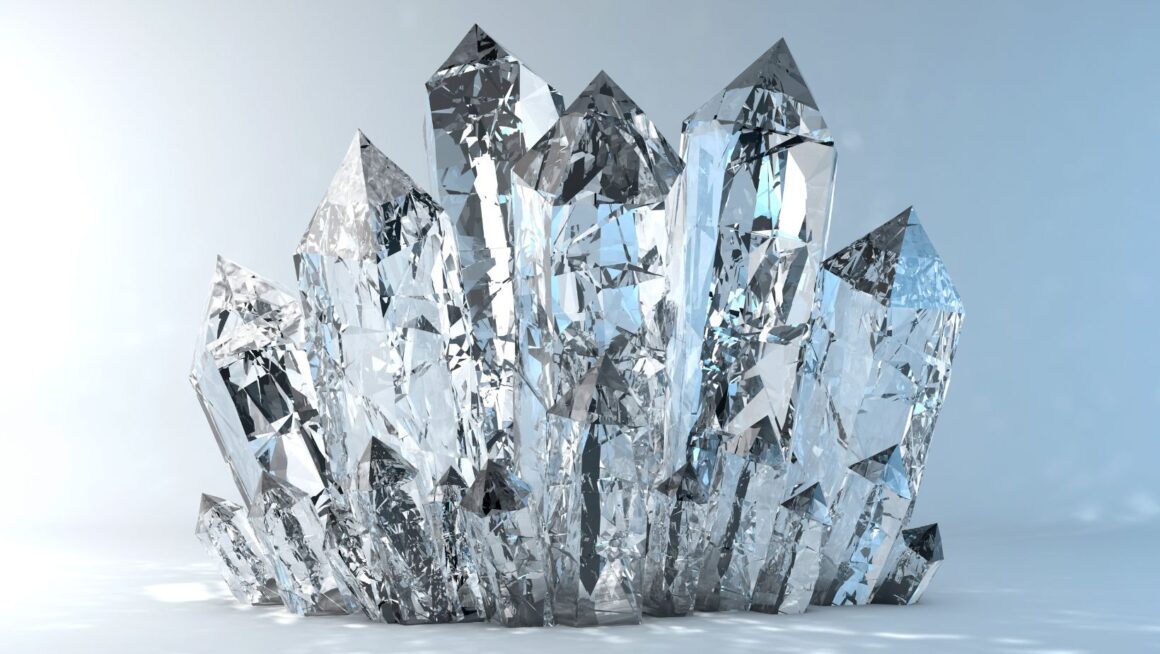
Crystal embellishments have become a mainstay in fashion, accessories, and even product packaging, with designers pushing the boundaries of texture, brilliance, and application techniques. Among the many types of embellishments available, non-hotfix crystals offer one of the most versatile and widely adopted solutions. Their flexibility across surfaces and mediums makes them a reliable choice for both emerging creatives and seasoned professionals. But what exactly sets non-hotfix options apart from their heat-applied counterparts, and when should you choose them?
How Non-Hotfix Crystals Work
Unlike hotfix crystals, which come with a pre-applied heat-activated adhesive, non-hotfix crystals have a flat back that requires separate glue for application. This allows for far more control in terms of placement and surface compatibility. Designers who work on mixed media projects or temperature-sensitive materials often gravitate toward non-hotfix options for this reason.
Because they don’t rely on heat, these embellishments can be used on everything from delicate fabrics to hard surfaces like leather, glass, and metal. For designers looking to broaden their creative range, it’s worth exploring non-hotfix embellishments ready for application to gain access to high-quality materials that offer both flexibility and aesthetic impact.
Greater Surface Compatibility and Control
One of the key advantages of non-hotfix crystals is that they open up possibilities for embellishing non-traditional or complex surfaces. While hotfix options are generally limited to textiles that can tolerate heat, non-hotfix crystals can be adhered to surfaces with texture, curvature, or heat sensitivity.
This added flexibility is particularly useful in fields like bridalwear, dance costumes, prop design, and custom accessories. The ability to place crystals with surgical precision means designers can work on irregular or curved forms without worrying about heat distortion or adhesive spread.
Additionally, since you control the adhesive type, you’re better able to match glue characteristics (such as flexibility or waterproofing) to the final use of the piece. This makes non-hotfix a favorite among those crafting for both functionality and aesthetics.
Considerations for Application and Technique
Non-hotfix application does require a more hands-on approach. Precision tools like wax pencils, tweezers, and syringes are often used to ensure clean placement. While this may add time to the production process, it also results in a more tailored, intentional finish—particularly in high-detail or high-value pieces.
Drying time varies based on the adhesive used, and some formulas offer repositioning time before setting, allowing for small corrections. Once cured, a well-adhered non-hotfix crystal offers excellent durability and longevity, even in wear-intensive applications.
It’s also important to test your adhesive on a small sample before beginning a full project. Material reactions can vary, and surface prep (like cleaning or lightly roughening) may improve adhesion.
Ideal Use Cases and Design Scenarios
Non-hotfix crystals shine in situations that demand creative control and customization. Bespoke work, such as luxury stationery, performance gear, or costume jewelry, benefits from the visual precision these embellishments offer.
They’re also ideal for hybrid material projects—for example, adhering crystals to a combination of velvet, acrylic, and metal within a single design. Since hotfix would be incompatible with at least one of these surfaces, non-hotfix becomes the only viable solution.
These embellishments also offer advantages in temperature-sensitive environments, such as materials that can warp or discolor under heat. Designers working with satin, vinyl, or coated leathers often default to non-hotfix options for this reason.
Weighing Time Against Impact
It’s true that non-hotfix application can take longer than heat-set methods, especially on large-scale or repeat designs. But many professionals view this as a worthwhile investment in quality. The ability to fine-tune spacing, orientation, and pattern precision is often worth the extra effort—particularly when a design will be photographed, worn on stage, or sold at a premium.
For small-batch makers and detail-oriented creators, this method also supports brand differentiation. Consumers increasingly appreciate craftsmanship, and the tactile precision of hand-applied embellishments can be a major selling point.
Final Thoughts
Non-hotfix crystals offer a powerful combination of creative freedom, surface versatility, and finish quality. While they may demand a more involved application process, the trade-off is precision, durability, and broader compatibility with different materials. Whether you’re working in fashion, interiors, or event design, mastering the art of non-hotfix embellishment allows you to create standout pieces that are as technically strong as they are visually compelling.