

An employee facing a drink driving allegation presents significant practical and legal challenges for employers. Legal, operational, and reputational risks must be managed with care to protect both the organisation and staff. Employers are required to balance fair process with business needs in handling these complex situations related to allegations of drink driving.
If your employee is subject to a drink driving allegation, you may be uncertain about your immediate responsibilities. Seeking advice from legal professionals, including London Drink Driving Solicitors, can help clarify potential legal implications; however, as an employer, your primary role is to manage the impact on your organisation with clear policies and documentation procedures. Understanding your obligations helps ensure an appropriate response, which is especially relevant for businesses dependent on staff driving as part of their duties. Such situations require careful handling to maintain compliance, operational stability, and employee confidence.
Recognising the importance and immediate implications
When an employee is accused of drink driving, there are immediate concerns for the business. Operational disruption may occur if the employee’s role involves driving or transport tasks. It is crucial to assess whether adjustments are needed to maintain safety standards and continuity of service.
Employers have a duty of care to all staff. This means ensuring any employee facing an allegation is treated consistently and fairly, while also considering the safety of colleagues and customers. Failing to manage these situations properly can create reputational risks for the business, both internally and externally.
Fact finding and initial risk assessment steps
Upon becoming aware of a drink driving allegation, avoid making decisions based on incomplete or unverified information. Record only objectively established facts and keep detailed records such as incident notes and internal meeting documentation from initial awareness onwards.
Your focus should first be on identifying any safety-critical risks posed by the circumstances. For employees whose main responsibilities include driving, it may be necessary to temporarily reassign duties or modify their work to minimise risk until further information emerges. Consulting legal professionals may assist in clarifying possible legal implications and boundaries during this phase.
Applying human resources policies and legal duties
Employers must ensure fair and consistent treatment in accordance with employment law. Do not presume guilt before any external legal process is completed. Confidentiality should be maintained, limiting any sharing of case information to only those with a business need to know.
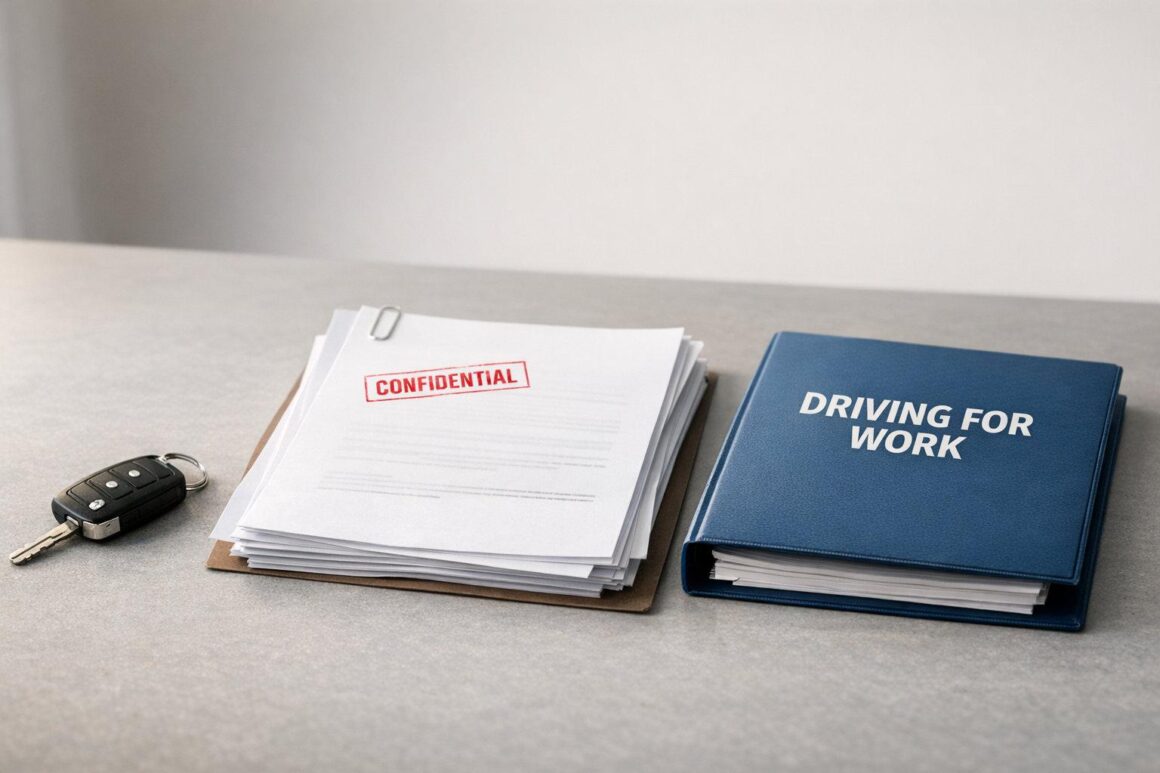
Review how existing workplace policies apply in these circumstances. This includes policies about driving for work, use of alcohol, and required notifications regarding changes in licence status. Careful review of these procedures supports clear, documented decision making and demonstrates the reasoning behind any action taken.
Managing business processes and external communications
Absence and performance management can become more complicated when a drink driving allegation is unresolved. Employers may need to arrange temporary cover for driving duties or carry out capability assessments, ensuring all actions remain appropriate and measured as the situation develops.
Communications should be controlled to protect individual privacy and the organisation’s reputation. Limit internal information sharing to what is essential for business operations. For any external or media enquiries, neutral and factual responses should be prepared. Avoid divulging unverified details about the employee, as this could result in legal or reputational challenges for your organisation.
Ongoing prevention, compliance, and learning opportunities
Employers should regularly update induction and refresher training for employees, especially on safe driving practices and legal responsibilities. Well-worded policies make expectations clear for areas such as drink driving, licence checks, and reporting requirements.
Regular licence verifications and reviews of compliance with fleet insurance can reduce both legal and reputational risk. In some scenarios, employers may need to consider whether advice from drink driving solicitors could influence an employee’s ability to carry out driving duties and organisational planning. Maintaining a record of decisions and fostering responsible attitudes helps businesses prevent future incidents and demonstrate diligence if an allegation should arise.