
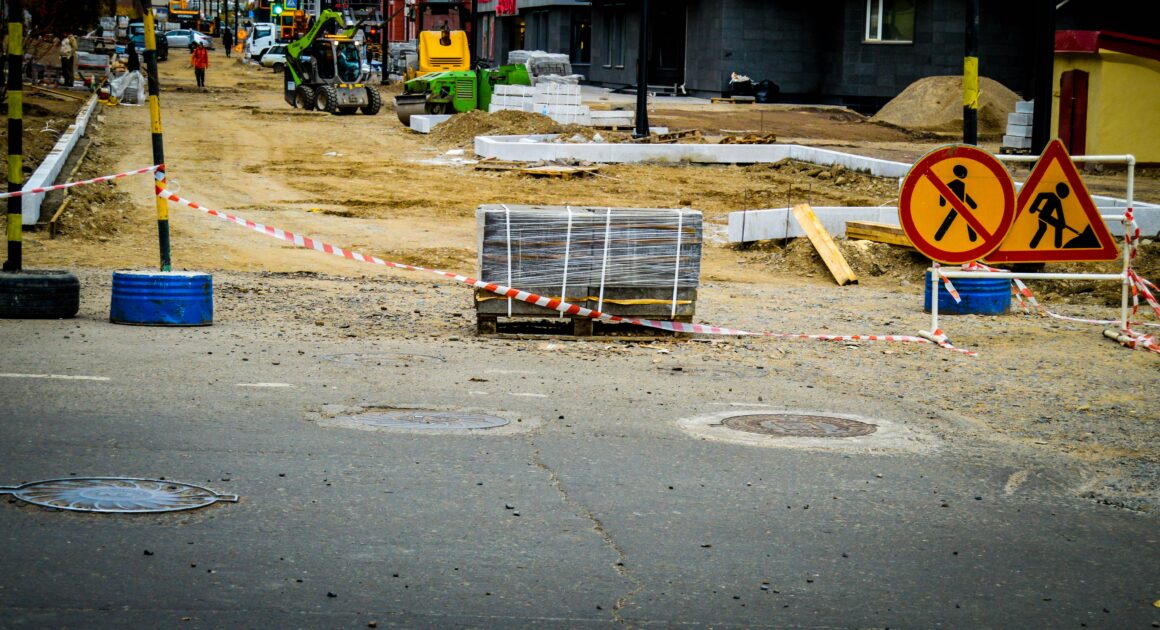
Construction is still one of the most high-risk industries in the United States, despite advances in equipment, training, and regulation. As a contractor or site manager, it is important to understand the root causes of these accidents for different reasons. The most important, of course, is to be compliant, but you also want to protect lives, maintain productivity, and safeguard your business’s reputation.
Regulatory bodies like the Occupational Safety and Health Administration (OSHA) make it easier to determine the main hazards responsible for the majority of serious injuries and fatalities. So, just in case you have been curious to know, here are the top four.
Table of Contents
Toggle1. Falls From Heights
Falls are, by far, the deadliest hazard in construction, accounting for more than 40% of all construction deaths in some locations. This type of accident mostly occurs when guardrails are missed or improperly fastened, surfaces are slippery, ladders are used incorrectly, or fall protection isn’t used.
Working on roofs, scaffolding, and other elevated platforms can especially expose workers to constant risks. What makes falls particularly dangerous is how quickly they tend to happen. This is why you want to ensure that everyone at risk in your company takes quality online OSHA certification education, so they are aware of the risks and how to navigate past them.
2. Struck-By Accidents
Being struck by objects is another major cause of construction accidents. This typically happens when tools, materials, or equipment fall, swing, or move unexpectedly. It’s important to understand that construction sites are very dynamic environments where materials are lifted, transported, and installed constantly.
Your entire team must, therefore, work in full coordination to reduce the existing risks, which is why proper training is crucial. Other solutions to this accident type are establishing clear exclusion zones, requiring the use of PPE, and improving communication between workers operating in shared spaces.
3. Electrocutions
Construction sites are notorious for electrical hazards, particularly during installations or renovation work. Most of these accidents happen after contact with live wires, when working with faulty equipment, or when a worker touches an improperly grounded system. Indirect contact, such as through conductive material, while not always lethal, is also quite common and usually dangerous.
Many of these cases have been tied to inadequate planning or a lack of awareness about existing electrical systems. And since electricity is invisible, the risk is sometimes underestimated. The good news is that you can overcome such accidents by de-energising circuits before beginning work, using ground fault protection, and ensuring that workers are fully trained to recognise electrical hazards.
4. Caught-In or Between Hazards
This category may not be so common, but these accidents still happen at a notable rate. They typically involve incidents where workers are caught, crushed, or compressed between objects or equipment. Good examples of these are being trapped in collapsing trenches, pinned between vehicles and structures, or caught in moving machinery.
The worst fact about such accidents is that they are sudden and severe, usually leaving very little time for reaction. It’s also important to note that they occur when safety protocols are bypassed or when you use equipment improperly. You can protect your workers by implementing trench protection systems, enforcing machine guarding, and maintaining a safe distance between workers and heavy equipment.
Master Workplace Safety With RocketCert
Even though construction accidents are common, there is always something you can do to protect your employees from exposure to the known risks. Remember, construction accidents aren’t just safety issues, but also business issues that can lead to delays, legal consequences, and financial losses.
The good news is that knowledge reduces your likelihood of encountering the known risks, since you can employ the appropriate prevention measures. But for this to happen, you must take your workplace safety courses from a leading professional education provider like RocketCert.