

Accidents can happen when you least expect them. Whether it’s a car crash, a slip and fall, or an incident at work, the moments immediately afterwards can feel overwhelming and confusing. However, the steps taken during this critical time can significantly affect both your recovery and your ability to pursue compensation later.
Knowing how to respond calmly and responsibly can help protect your health, preserve important evidence, and ensure your rights are safeguarded. Below are ten essential steps to take immediately after a personal injury accident.
1. Prioritise Safety and Check for Injuries
The first priority after any accident is safety. Take a moment to assess your surroundings and determine whether you or others are in immediate danger. If possible, move away from hazardous areas such as traffic, unstable structures, or fire risks.
Check yourself and others for injuries. Even if injuries appear minor, it’s important to remain cautious. Adrenaline can mask pain, and some injuries may not become noticeable until later.
If anyone is seriously injured, call emergency services immediately. Quick action can prevent further harm and ensure everyone receives the help they need.
2. Seek Medical Attention Right Away
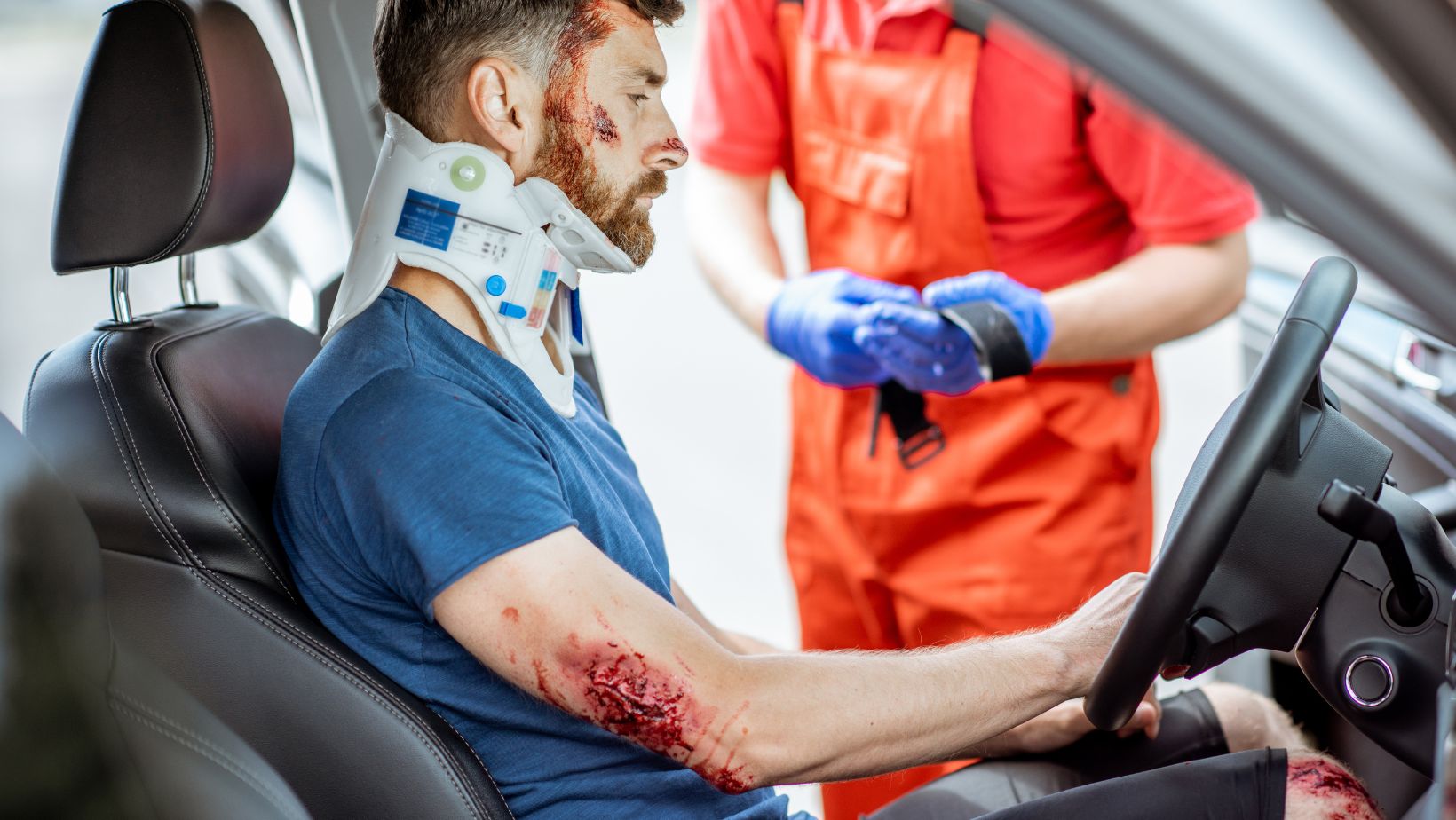
Seeking medical care is one of the most important steps after an accident. Even if you feel fine at first, certain injuries such as concussions, internal bleeding, or soft tissue damage may not show symptoms immediately.
Medical professionals can properly evaluate your condition and provide necessary treatment. In addition to protecting your health, medical records created shortly after the incident can serve as valuable documentation of the injury and its severity.
Prompt treatment also demonstrates that the injury was taken seriously and addressed as soon as possible.
3. Contact Authorities and File an Official Report
Reporting the accident to the appropriate authorities is essential. In a car accident, this typically involves contacting the police. For workplace incidents, it may mean notifying a supervisor or safety officer. If the accident occurs on private property, the property manager or owner should be informed.
An official report creates a record of the event and may include key details such as time, location, and the individuals involved. This documentation can help clarify the circumstances of the accident if questions arise later.
When speaking with authorities, provide clear and factual information without making assumptions about fault.
4. Gather Evidence at the Scene
If it is safe to do so, gather as much information as possible at the accident scene. Evidence collected immediately after the incident can be extremely helpful later.
Take photos of visible injuries, property damage, road or floor conditions, and the surrounding environment. Capturing different angles can help create a clearer picture of what happened.
Photographs of warning signs, weather conditions, or hazards can also provide useful context when explaining the situation later.
5. Exchange Contact Information
Make sure to collect contact details from everyone involved in the accident. This typically includes names, phone numbers, and addresses.
If vehicles are involved, obtain insurance information as well. Witnesses who saw the incident can also provide valuable perspectives, so ask for their contact details if they are willing to share them.
Having this information makes it easier to follow up if additional clarification is needed later.
6. Avoid Admitting Fault or Making Assumptions
It’s natural to feel emotional after an accident, but it’s important to avoid statements that could be interpreted as admitting responsibility. Even simple phrases like “I’m sorry” might later be misunderstood as accepting blame.
Instead, focus on exchanging information and ensuring everyone is safe. Determining fault should be left to investigators, insurance professionals, or legal experts who can evaluate the situation objectively.
Remaining calm and factual helps prevent misunderstandings that could complicate matters later.
7. Document Everything While It’s Fresh
Details can fade quickly after a stressful event. As soon as possible, write down everything you remember about the accident.
Include the time, location, weather conditions, and what happened leading up to the incident. If you spoke with witnesses or others involved, note what was discussed.
Keeping a written record helps preserve important details that may be useful when explaining the incident later.
8. Notify Your Insurance Provider
After the situation is under control, notify your insurance company about the accident. Reporting the incident promptly allows the claims process to begin and ensures that all required information is documented.
When speaking with insurance representatives, stick to the facts and avoid speculation. Provide the information requested and ask about the next steps involved in filing a claim.
Keeping records of your communications with insurance companies can also help maintain clarity throughout the process.
9. Keep All Medical and Financial Records
In the days and weeks following the accident, it’s important to maintain organised records of any expenses related to the injury.
Save receipts for medical treatments, prescriptions, therapy sessions, and transportation costs. Keep copies of medical reports, treatment plans, and appointment summaries.
These records help demonstrate the full impact of the injury and can be useful when discussing compensation or insurance claims.
10. Consider Consulting a Personal Injury Lawyer
Depending on the circumstances of the accident, seeking legal advice may be helpful. A personal injury lawyer can evaluate the details of the situation and explain potential options for pursuing compensation.
Legal professionals can also assist with gathering evidence, communicating with insurance companies, and negotiating settlements. If you need guidance during this process, you can contact Melanson Law for personal injury lawyers in Saint John, NB, to learn more about your legal options and next steps.
Early legal support can help ensure that important deadlines and procedures are handled correctly.
Conclusion
Experiencing an accident can be stressful and disorienting, but knowing what steps to take can make a significant difference. Prioritising safety, seeking medical care, and documenting the incident carefully are essential actions that protect both your well-being and your legal rights.
From gathering evidence to maintaining accurate records, each step plays a role in ensuring that the situation is handled responsibly. By staying calm and following these guidelines, individuals can better navigate the aftermath of an accident while focusing on recovery and moving forward.