
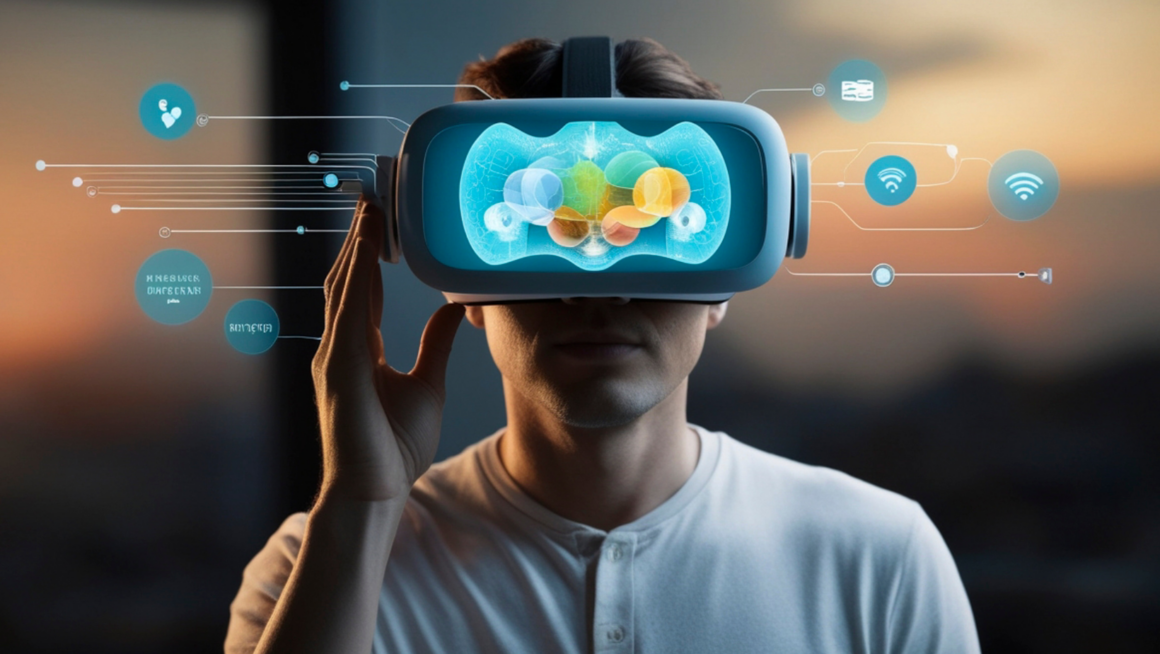
In a move that few saw coming so quickly, but was rather inevitable, Meta has doubled down on its pivot away from its corner of the metaverse and associated immersive technologies. The owners of Facebook had poured billions of dollars into developing its virtual space, but over the last five years, frontman Mark Zuckerberg has failed to sell it to investors and customers.
As Meta was the loudest and most heavily invested backer of this next age of the internet and online connections, seeing them move on will be a red flag to many. However, adjacent technologies and an approach that emphasizes immersion elsewhere have landed well with users. You only have to look as far as Dream Catcher to see this in play.
Putting the User in the Hot Seat
By utilizing a different perspective and building out the digital experience, Paddy Power Dream Catcher has proven that users are ready to embrace more immersive product designs. The unique selling point of the game is that it’s played in first person, setting you up with your betting table in front of the huge prize wheel. The idea is to block off the outside extras, like the chat and winner confirmations, to sink you into the experience as much as possible.
The game itself is very much the same as the live casino version of Dream Catcher. You bet on yellow, blue, green, orange, or purple positions that represent the segments of the big wheel. Positions like orange aren’t as common on the wheel, and so, they have larger prizes of 40x. Plus, there are two multiplier segments to carry a boost into a new spin. You pick the segments that you want to back, spin the wheel, and see if you win.
Going first person offers a different level and kind of immersion to the live version. Of course, a physical game taking place in a studio with a human hosting gives you authentic, in-the-moment play. With the first person perspective, though, you’re entirely immersed in the game in front of you without any distractions. It’s just you and the game, and users have really taken to that idea.
Is XR too Much Immersion for Users?
In part, the downfall of Meta’s metaverse efforts is its own doing. Rebranding to Meta helped to edge the company away from the Facebook issues of 2021, but the almost dystopic ideals that bled into the presentations certainly put off many. The confusing terminology used, from the metaverse concept to Meta creating its Metaverse, further bundled the VR digital space into one Meta-owned basket to those not wholly in the loop.

In any case, as TechCrunch reports, few will miss Meta’s efforts. While the sudden surge of artificial intelligence and the race in Silicon Valley to come out in front couldn’t have been forecast at the turn of the decade, Meta’s over-commitment to virtual realities seemingly put it at a disadvantage in this new arena. Now, they’re essentially abandoning these immersive technologies for AI.
Yet, under the surface, there is still a place for even the more gaudy XR efforts. The Grand View Research piece on immersive tech sees the market growing from $40 billion in 2024 to $170 billion in 2030. This is primarily concerning AR applications and VR hardware and experiences. As shown by the first person Dream Catcher, people do want more immersive digital experiences, but the extra effort or gear needed for XR is currently a hindrance.
Meta going all-in on metaverse technologies doesn’t seem to have helped adoption very much, but less intensive and overt deployments of immersive digital tech can certainly thrive in the current environment.