
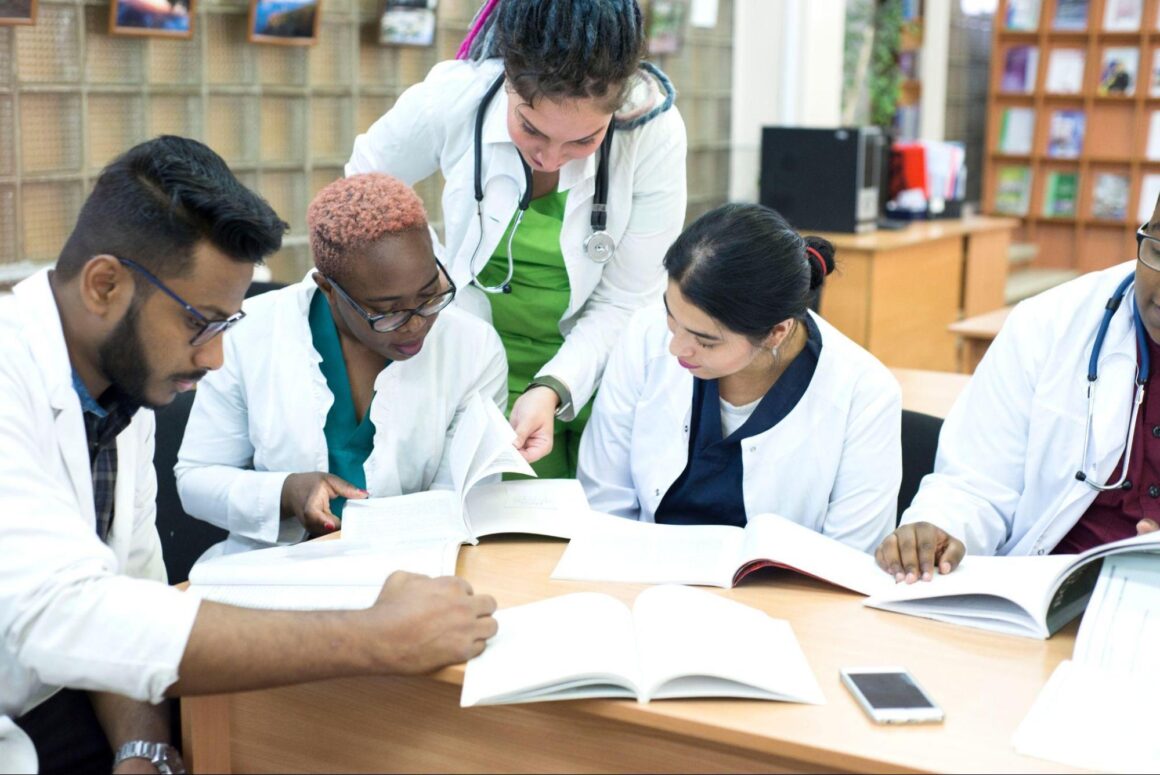
If you care about people, cultures, and solving real-world problems, global health may already be on your radar. Many students dream of meaningful work that goes beyond a paycheck and lets them see their impact firsthand. Global health internships bridge learning and doing, giving you a chance to contribute while discovering where you truly fit in the world of health and service.
Still, the path can feel unclear. You might wonder where to start, what skills you need, or whether these experiences are only for graduate students. The truth is that global health internships come in many forms, and they can meet you at different stages of your education and curiosity.
Why Early Exposure Matters More Than You Think
One common challenge students face is uncertainty. You may be interested in medicine or public service, but unsure whether the daily realities match your expectations. Reading about health issues in textbooks is very different from seeing them play out in real communities, which often leads to confusion or second-guessing later on.
Early exposure helps solve this problem. Opportunities that let you get medical experience in high school or early college years allow you to observe professionals, ask questions, and reflect before committing to long academic paths. These experiences can shape your goals with clarity instead of pressure, making future choices more confident and informed.
What Global Health Internships Actually Look Like
A global health internship isn’t one-size-fits-all. A program might place you with hospitals, nonprofits, or universities where health meets culture, policy, and science. Some interns support a research project, while others assist global partners working directly in communities.
You may find placements with international organizations that focus on disease prevention, nutrition, or health education. These internship opportunities can be short-term or long-term. Similarly, a summer internship is often popular for students balancing school schedules. What matters most is that each role connects learning with service.
Learning Beyond the Classroom
Global health experiences expand how you think about health policy and how decisions affect real people. You might see how public health programs are designed, funded, and adjusted to meet local needs. This hands-on exposure strengthens your understanding of global health education in ways lectures alone can’t.
Internships offer a practical context for students enrolled in related degree programs. Even those involved in campus global health programs gain deeper insight when theory meets reality. Whatever your intended focus is, the experience will sharpen both your skills and perspective.
Skills That Build a Strong Workforce
Many internships are supported by funding centers and linked to established research programs, ensuring meaningful work rather than busy tasks. These experiences help prepare you for roles within the public health workforce, where collaboration is key.
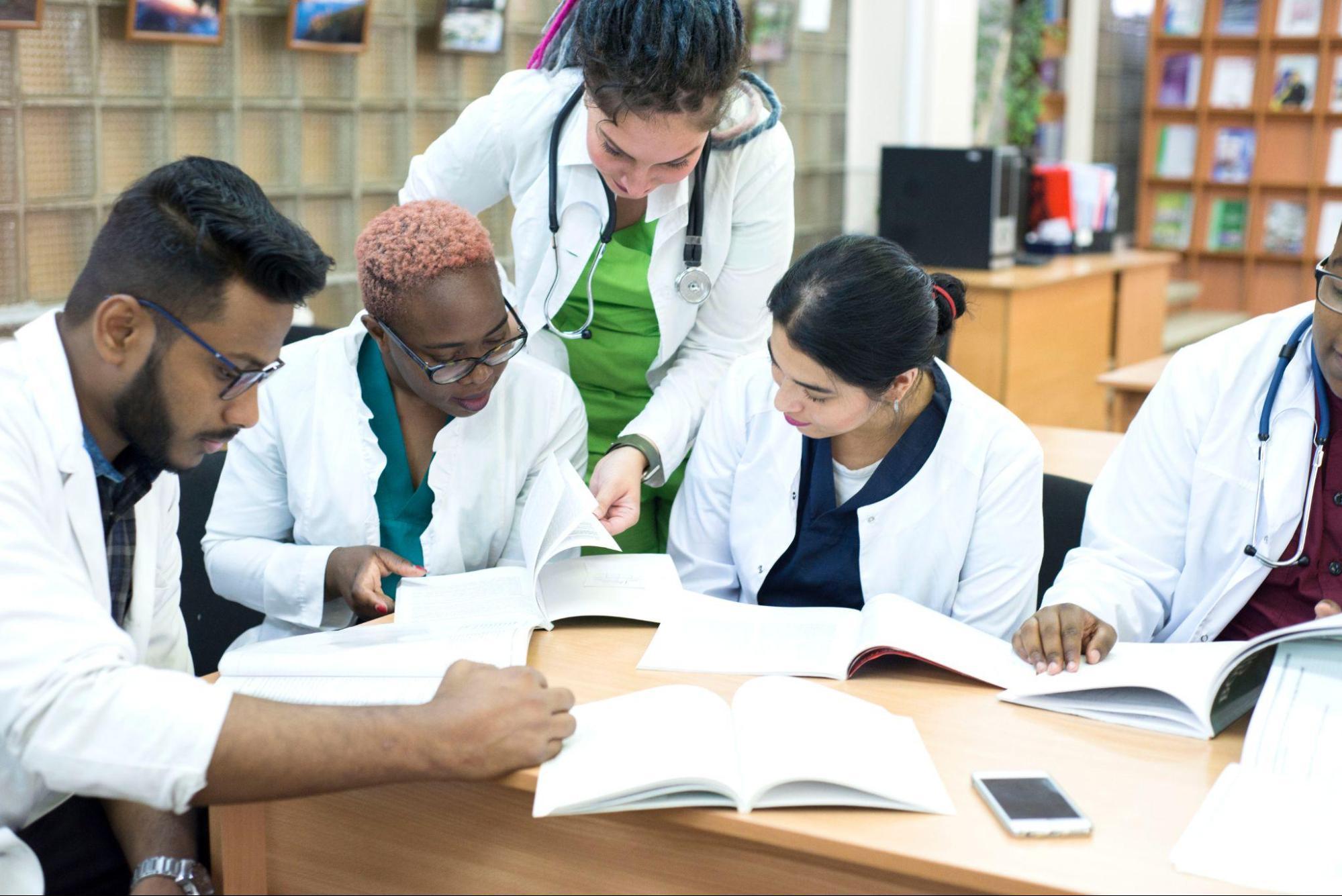
You may shadow community health workers who serve as trusted links between clinics and neighborhoods or observe health services researchers evaluating what truly improves care. Exposure to public health research builds analytical thinking, while leadership development emerges naturally as you navigate teamwork across cultures.
Seeing Health Systems Up Close
In some placements, interns interact with ministries of health, gaining insight into how national decisions shape local outcomes. Others focus on developing global health competencies, such as communication, ethics, and adaptability. Advanced students may participate in international rotations, where learning crosses borders in structured ways.
These experiences remind you that health isn’t isolated. It’s shaped by economics, politics, and culture, all woven together within a global community that depends on shared responsibility.
A Wide View of Health Challenges
One of the most powerful lessons internships offer is perspective. You encounter a wide range of global health challenges, from infectious diseases to mental health, maternal care, and chronic conditions. Each issue looks different depending on location and resources.
You might spend time in a clinical setting, observing healthcare delivery under constraints unfamiliar to you. Others assist with laboratory-based research, contributing to discoveries that travel far beyond one site. Some placements involve community health clinics, where trust and education are as important as treatment.
These settings often focus on vulnerable populations, including women, children, and adolescents, showing how health equity begins with access and respect.
Addressing Real-World Needs and Gaps
As a global health intern, you may witness shortages firsthand. In the United States, the total enrollees for medical schools recently reached 100,000, a first in three years. Even with this growth, demand for trained professionals remains high, especially in underserved areas.
This reality underscores why early engagement matters. Programs like medical research internships and supervised field work help build pipelines of motivated, informed students who understand both science and service. Exposure now supports stronger systems later.
Making the Most of the Experience
Preparation and reflection are essential. Before you go, learn about local customs, health risks, and expectations so you can stay safe and maximize your time overseas. During the internship, ask questions, listen carefully, and stay humble. Afterward, reflect on what challenged you and what inspired you most.
Global health internships aren’t about saving the world in a few weeks. They’re about learning how change really happens. When you engage thoughtfully, these experiences can guide you toward meaningful work that aligns your skills with the needs of others, leaving a lasting impact on both your career and your character.
Final Thoughts
Global health internships do more than add a line to your résumé. They shape how you see people, systems, and your own responsibilities within them. By stepping into unfamiliar settings, you learn to listen before acting, value collaboration over assumptions, and recognize that meaningful health work is built on trust as much as expertise.
As you move forward, whether toward medicine, research, policy, or community service, these experiences stay with you. They influence the questions you ask, the careers you pursue, and the kind of professional you become. In a world where health challenges cross borders, choosing to engage early and thoughtfully isn’t just a career move; it’s a commitment to contributing with purpose.