
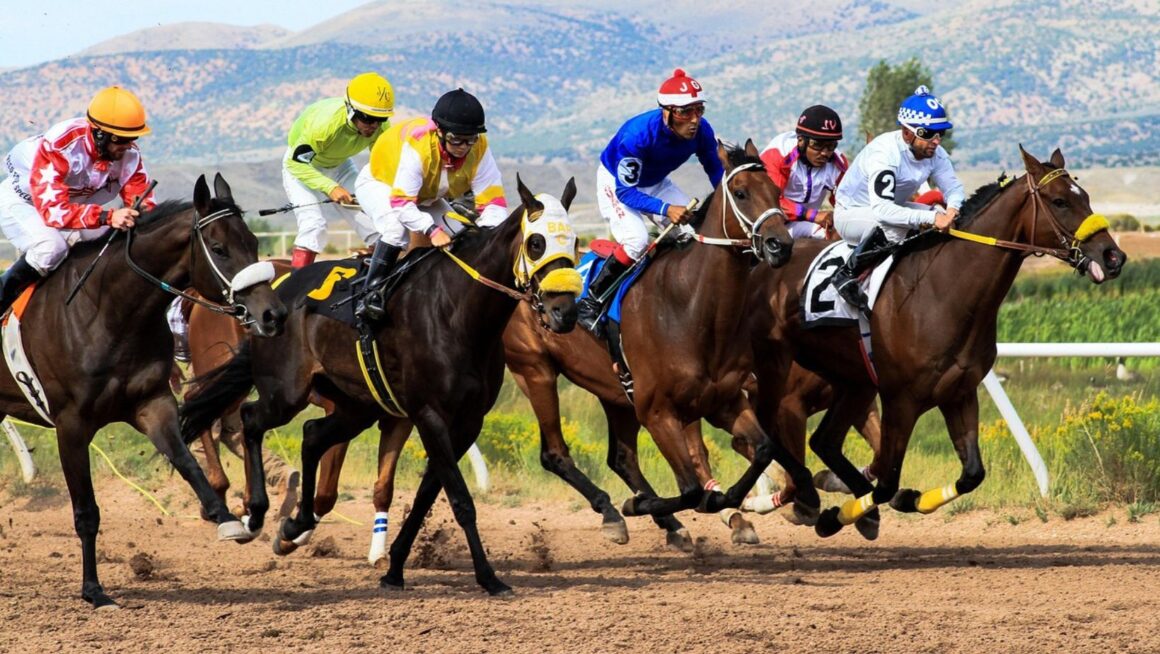
If you’re interested in horse race betting but don’t know where to begin, you’re not alone. At first, horse betting can seem confusing with all the odds, bet types, and racing terms. The truth is, once you understand the basics, it’s much simpler than it looks.
This beginner’s guide will walk you through what you need to know to get started.
Choose a Trustworthy Betting Platform
Before placing a bet, the first step is deciding where you want to wager. There are two main options: online or in person.
Many people prefer the convenience of online sportsbooks and horse racing apps. When choosing an app or website, make sure it is licensed and legal in your state or country. It’s also a good idea to read user reviews, look for reliable customer support, and explore features like live streaming, race replays, and wagering history.
A reputable platform like FanDuel Racing allows you to easily view live races, check odds, and place bets with just a few clicks. FanDuel horse betting offers an accessible and user-friendly way to enjoy the excitement of the races from anywhere.
If you prefer the full racetrack experience, in-person betting offers an atmosphere that can’t be matched. A day at the track lets you see the horses in the paddock before the race, feel the energy of the crowd, and place your bets directly with a teller.
Understand the Basic Bet Types
Learning how different bets work is the foundation of horse racing. While there are many ways to wager, beginners should start with a few basic types that are simple to understand and easy to place.
- Win–Place–Show: A win bet pays out only if your horse comes in first. A place bet is successful when your horse finishes either first or second. A show bet earns a payout if your horse finishes anywhere in the top three. You can also make an across-the-board bet, which includes all three options in one wager.
- Exacta: Pick the horses that will finish first and second. You can bet them in the exact order (straight exacta) or in any order (exacta box), which costs more but increases your chances.
- Trifecta: Choose the horses that will finish first, second, and third. A straight trifecta must be in the exact order, while a trifecta box lets them finish in any order for a higher cost.
Learn How to Read the Racecard
A racecard, also called a program, is your essential guide to each race. It’s filled with useful information that can help you make smarter betting decisions. Once you know what to look for, it becomes one of your most valuable tools.
Form
The form shows how a horse has performed in recent races, usually displayed as a series of numbers such as 3-1-2-5. Each number represents the horse’s finishing position. Consistent results often indicate that the horse is in good form and can be trusted to run well again.
Jockey and Trainer
The names of the jockey and trainer are also important. Successful jockey-trainer partnerships can be a strong sign of a horse’s potential.

Some teams work particularly well together and have a history of consistent wins, so it’s worth paying attention to their records.
Odds
Odds show how likely a horse is to win and how much you’ll be paid if it does. They’re often displayed as fractions, such as 5/1. Lower odds mean the horse is favored to win but will offer a smaller payout, while higher odds suggest a longer shot with a bigger potential reward.
Track and Conditions
The racecard will also include details about the track surface and current conditions. Some horses perform better on dirt, while others prefer turf or synthetic tracks. You may also see notes about how a horse performs at certain distances or under specific conditions, such as “muddy” or “firm.”
Taking a few minutes to review the racecard before placing your bet is one of the best habits you can develop. Understanding this information enables you to make more informed choices, increasing your chances of picking a winner.
Place Your Bet
Once you’ve chosen your horse and decided on your wager type, it’s time to place your bet.
If you’re betting in person, approach the teller with confidence and clearly state your bet. For example, you might say, “Race 5, ten dollars to place on horse number 4.” The teller will print your ticket; please check it before leaving the counter to ensure everything is correct. Mistakes can happen, so always double-check the race number, amount, and horse.
If you’re using an online platform or mobile app, the process is quick and convenient. Open the app, choose the racetrack, select your race, pick your horse, and choose the type of bet you want to make. Enter your wager amount, review all the details carefully, and confirm your bet. Most betting apps also let you view race results instantly, track your wagers, and monitor your performance over time, making it easy to stay organized and in control.
Conclusion
Horse betting can be a lot of fun once you get the hang of it. Learn how to read a racecard, pick a good betting platform, and start with simple bets. Take it slow, keep your wagers small at first, and always bet responsibly. With a bit of practice, you’ll feel more comfortable and enjoy the excitement that comes with race day.