
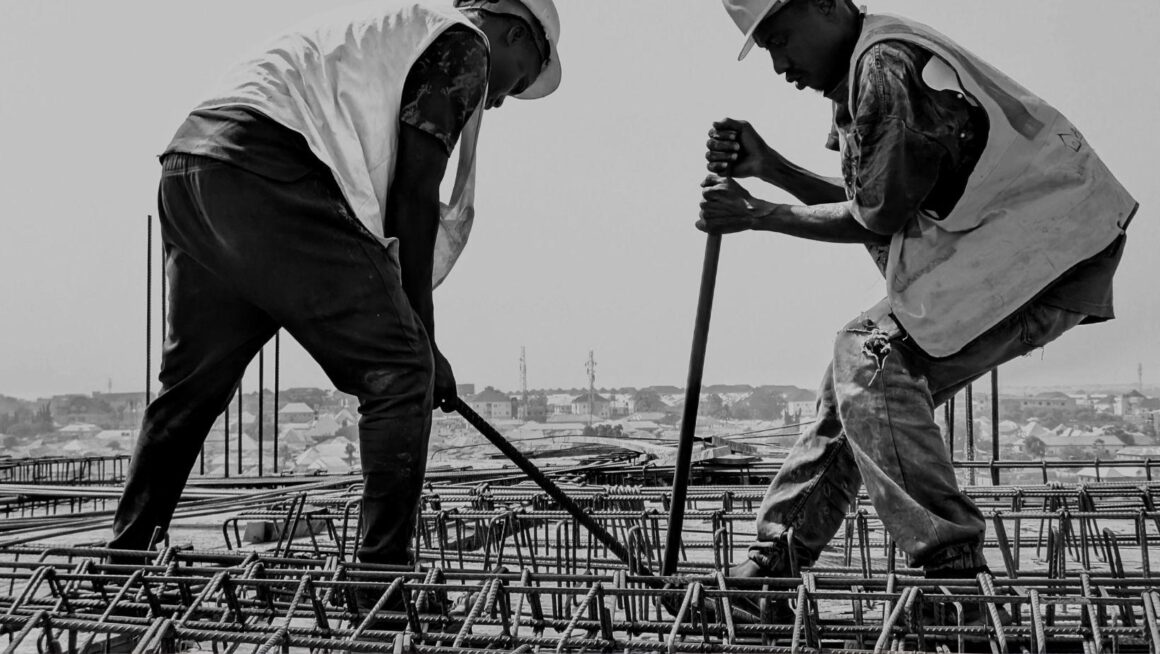
Efficient material handling is a factor in keeping construction projects organized and safe. Steel tubing is often dense, long and difficult to move when construction workers lack a defined process. Improper storage plus movement can cause delays or material damage. Establishing procedures for receiving, storing, moving and preparing tubing helps construction teams use resources effectively.
Table of Contents
TogglePlan Material Movement
Project teams should determine where to unload, inspect and store steel tubing before it arrives at a construction site. Choosing storage areas near work zones reduces transportation across the site. Materials are not to be placed where they block walkways, equipment routes or emergency access.
A planned flow allows construction workers to move tubing with few interruptions. Construction teams are responsible for reviewing the work sequence before arranging deliveries. Tubing for future phases is placed where it is accessible without interfering with current tasks. Grouping materials by size or specification makes identification faster. Large projects benefit from this approach when multiple tubing types are in use simultaneously.
Improve Storage Practices
Proper storage protects tubing but also makes it easier for construction workers to retrieve materials. Tubing is placed on stable supports to prevent contact with the ground, water or debris. Long pieces require support along their length to prevent bending. Materials are arranged securely so they do not roll.
Clear labeling improves storage efficiency – Identification provides data for construction workers to distinguish tubing by size, grade and length. Grouping similar materials speeds up retrieval but different specifications must remain separate. Organized storage reduces handling and helps construction workers select the correct material without moving other pieces.
Maintain Site Organization
A clean construction site supports tubing handling – Storage areas are kept free of scrap, tools and packaging. Designated pathways are clear so construction workers next to equipment travel safely. Regular housekeeping makes it easier to identify damaged materials. Inventory checks improve organization – Construction teams compare available materials with project requirements to identify shortages – this prevents rushed deliveries and excess stock.
Different products, like steel tubing and aluminum, must remain clearly identified. As an example, the process to buy aluminum sheet metal online is a separate procurement task from steel tubing planning to avoid confusion.
Use Suitable Handling Equipment
Appropriate equipment makes moving dense or long materials efficient. Forklifts as well as carts are used depending on the weight of the tubing. Equipment is selected based on its rated capacity and is operated by trained technicians. Construction workers maintain communication when materials are in transit through active areas.
Manual handling is for short or light pieces but construction workers must use lifting techniques and avoid materials that are too heavy for one individual. Long sections are often unstable because of their weight distribution. Using additional construction workers or mechanical assistance provides better control over the material.
Reduce Unnecessary Handling
Extra movement creates opportunities for delays or damage – Construction teams improve efficiency – moving tubing only for specific reasons. Materials travel from the delivery area to storage or then to the work area without relocation.
Reviewing site layouts helps shorten these movements. Preplanning fabrication reduces handling – Tubing is cut or prepared in a designated area before transport to the installation location. Construction workers verify measurements before making cuts to prevent mistakes. Efficient preparation keeps activities moving and reduces waste.
Follow Safe Handling Procedures
Safety is the primary focus of handling efficiency – Construction workers must understand the weight plus dimensions of the tubing. Protective equipment and communication lower accidents. Materials are not moved through areas occupied by unprotected construction workers. Supervisors reinforce these practices through training and inspections.
Procedures are reviewed when project conditions change or new equipment is used. Construction workers report unstable storage or unsafe routes immediately. Consistent safety prevents incidents that cause project delays.
Conclusion
Improving steel tubing handling involves planning, organized storage but also suitable equipment. Construction teams that lower movement save time and protect materials. By coordinating deliveries and maintaining accessible storage, contractors create a workflow that supports productivity.