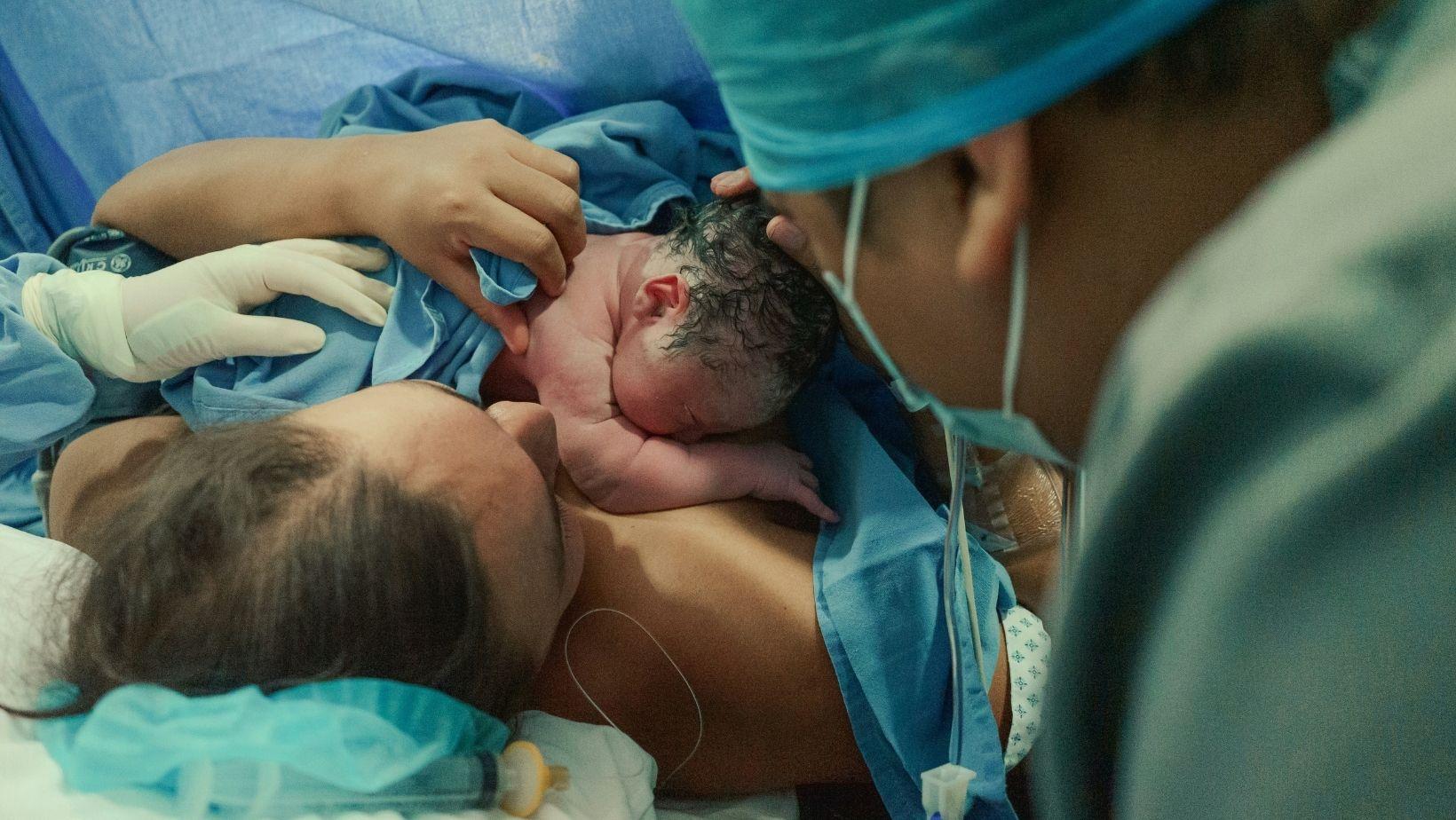
While every parent hopes for a seamless birth process, things sometimes go wrong during childbirth, exposing their children to various birth injury risks. If an injury occurs, you may not understand what steps to take or who to consult to get the right compensation in a lawsuit.
That’s why it’s important for parents to be equipped with the right knowledge for approaching birth injury lawsuits in the event that they occur. Below, we’ll look at the important knowledge you need as a parent to pursue a birth injury lawsuit successfully.
Table of Contents
ToggleUnderstand What Qualifies as a Birth Injury
Knowing what should or should not qualify as a birth injury, as covered in childbirthinjuries.com, is the first step towards a successful lawsuit. Birth injuries that qualify for compensation are often the result of medical negligence that occurs when a healthcare provider fails to take the necessary measures to ensure safe delivery. The most common examples of these cases may include:
- Hypoxia and brain damage: Hypoxia is the lack of enough oxygen in the brain, which often leads to brain damage if not monitored by the healthcare providers responsible for delivery. The doctor and nurses should notice any signs of low oxygen and treat them to avoid complications.
- Delayed emergency C-section: If the safest delivery option for the baby is through an emergency C-section, any delays can lead to complications affecting both the baby and the mother. An extended delay can lead to the baby lacking oxygen, becoming physically disabled, or even dying.
- Misinterpreted or ignored signs of fetal distress: When medical teams fail to closely monitor the infant’s heart rate and overall condition, they may not prevent fatalities like stillbirth, brain damage, or physical disabilities.
- Improper use of forceps or vacuum extractors: Doctors and nurses must be adequately trained in their use to avoid injury during birth. Improper use of these tools can cause the baby to suffer skull fractures, nerve damage, or brain bleeding.
Some Birth Injuries Can be Treated
While many birth injuries have long-term effects leading to lifelong conditions, such as cerebral palsy, others can be treated through a medical or surgical approach. By knowing if your child’s condition is treatable, you can pursue relevant medical and surgical solutions early, then seek compensation later once the child’s well-being is secured. Lifelong conditions that require continuous treatment plans for the rest of the child’s life can attract larger compensation to cater to the recurring costs.
The Statute of Limitations for Birth Injury Cases
The statute of limitations for birth injury cases is the amount of time you have to file your case, should you choose to pursue a birth injury lawsuit. Missing this deadline when filing your case results in automatic dismissal of your case once it appears before the judge. The time allowed for complainants to file their cases varies by state, so you should check your local regulations first.
Some states may allow about three years from the time you discovered the injury, but no more than five years from when the injury occurred. Seeking reputable, reliable legal guidance can help you navigate these technicalities more quickly and successfully.
Understanding the above information about birth injury lawsuits can put you in a safe position for pursuing your claims successfully. It’s important to contact the necessary legal team immediately when you discover a challenge with your baby that you feel originated from the birth process. The earlier the process begins, the better your chances of a successful claim.