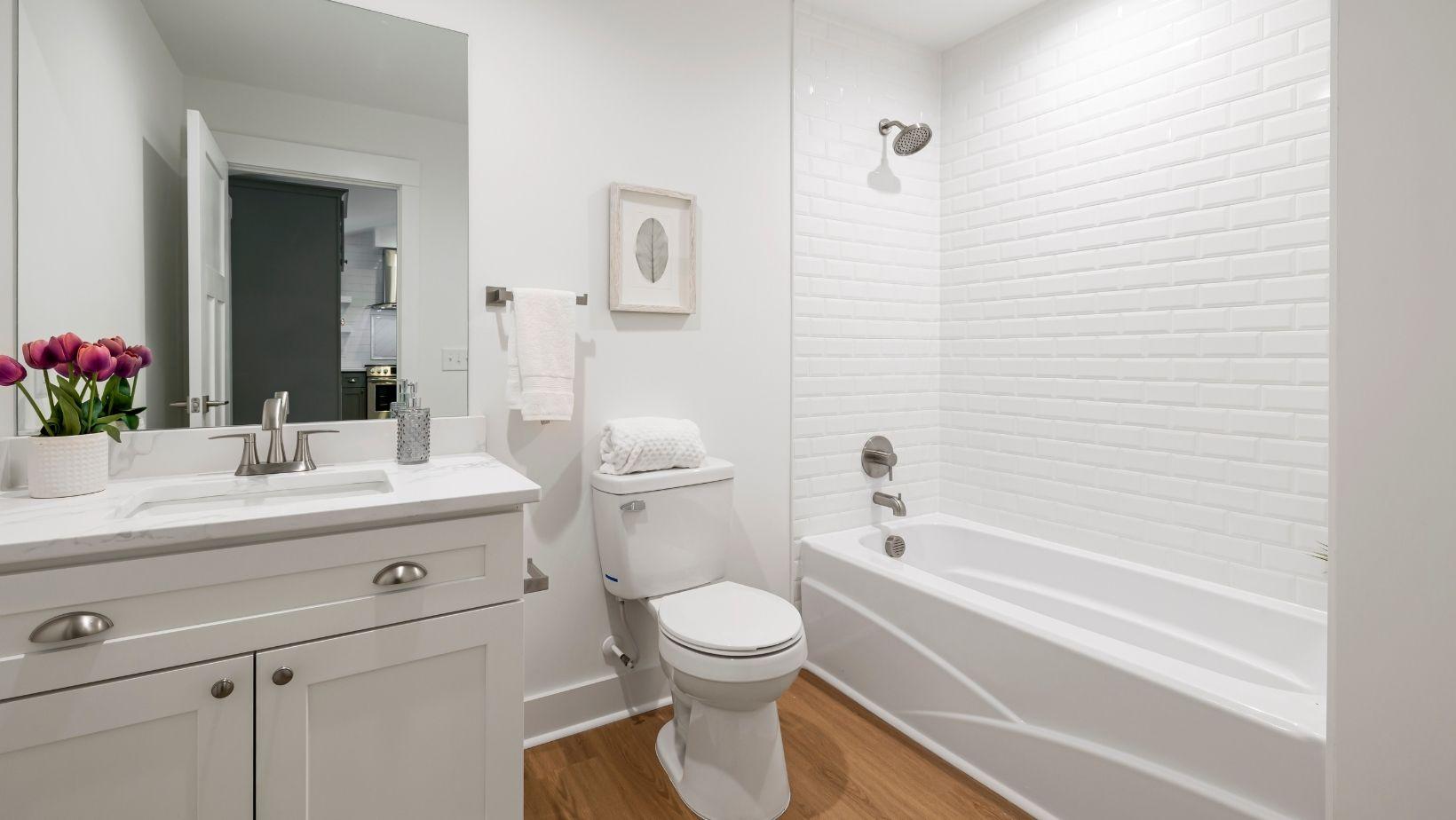
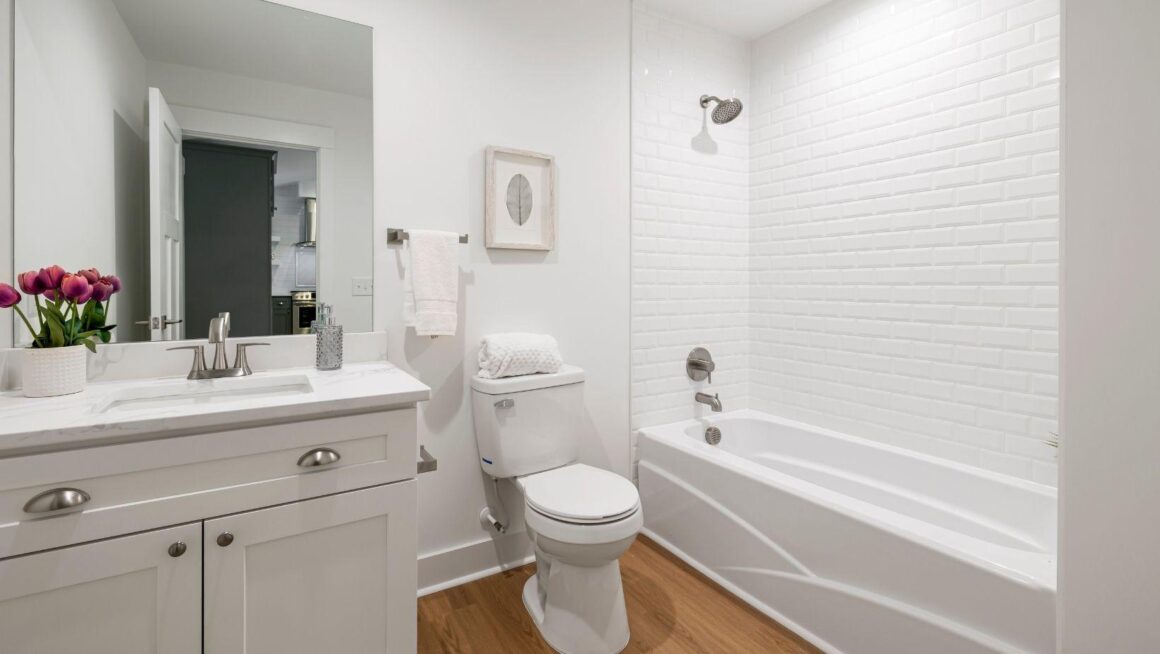
Bathrooms are often difficult areas for people with mobility restrictions – these rooms contain surfaces that are smooth and wet, small spaces and fixtures that require a person to bend or stand for a long time. Safety improvements begin with an assessment of the specific requirements of the user. Changes are based on factors like how well a person balances, their physical strength, their range of motion and their ability to move without help.
A safe bathroom arrangement is helpful because it decreases the chance that a person will fall. Daily routines are more comfortable when the environment is organized, well lit and includes supportive tools – these modifications are useful for older adults, people who are healing from injuries or those with permanent physical limitations.
Table of Contents
ToggleImproving Bathroom Layout And Accessibility
Accessible bathrooms are easy to use when items are within reach. Storage of supplies in a central location is important so that a person does not have to stretch or bend – these movements can cause a person to lose their balance. Pathways must be clear of objects because clutter is a barrier for individuals who use walkers or wheelchairs.
Fixtures are also important for safety and ease of use – Metal bars placed near toilets and showers are sources of support during movement. Toilets with increased height, showers without steps and showerheads with flexible hoses are helpful for people who find it hard to stand – these features allow people to use the bathroom with more certainty and less effort.
Choosing Supportive Safety Equipment
Equipment choice is based on what the user can do – Mats that grip the floor, chairs for the shower and rails that do not move are tools that protect individuals in areas where falls are common. It is necessary that these items are installed firmly. Equipment that is loose or in the wrong place is not reliable.
A mobility scooter used for movement in other parts of the home also affect how a person enters the bathroom. For instance, a person who uses a motorized chair requires doors that are wide and enough floor space to turn around. A practical environment is possible when the bathroom matches the overall movement needs of the individual.
Improving Lighting And Visibility
Light is a primary factor in the prevention of accidents – Areas with low light make it difficult to see water on the floor, steps or objects. Lights that are bright and reach every corner are helpful so that people can see clearly – this is vital during the night.
Options like lights that turn on when they sense movement or switches that glow are useful for people who cannot see well. Good visibility is also helpful for caregivers who provide aid. It allows the person using the bathroom to finish tasks by themselves more often.
Supporting Safe Transfers And Daily Routines
Injuries often happen when a person moves from one position to another, like moving from a wheelchair to a toilet. Techniques for safe movement and the use of support tools make these actions safer. Caregivers and family members can learn methods that make the transitions easier for everyone involved.
Furniture that provides physical support is also useful in other rooms. As an example, lift chairs for seniors to a standing position are helpful – these chairs lower the physical effort required before or after a person uses the bathroom. A person is safer when they are strong and feel sure about their movements.
Maintaining A Safe Bathroom Environment
Maintenance is required to keep a bathroom safe – Floors that are loose, bars that are broken or mats that no longer grip the surface are hazards – these items must be fixed quickly. A bathroom is only safe if the equipment is stable and meets the current needs of the user.
Reviews of the bathroom setup are helpful as health changes – A person who is recovering from a medical procedure has different needs than someone with a permanent condition. Safety benefits continue when the environment is updated to match the abilities of the person.
Conclusion
Safety for individuals with mobility restrictions is the result of planning, the right equipment and attention to changing health. Small changes are effective in creating an environment that is safe and supports independent living. Bathrooms are more comfortable when they are accessible and have good lighting.
A safe bathroom is more than a way to prevent falls – It is a way for individuals to feel confident and maintain their privacy while they perform daily tasks. Proper improvements and care allow people with mobility challenges to be secure in their homes.