
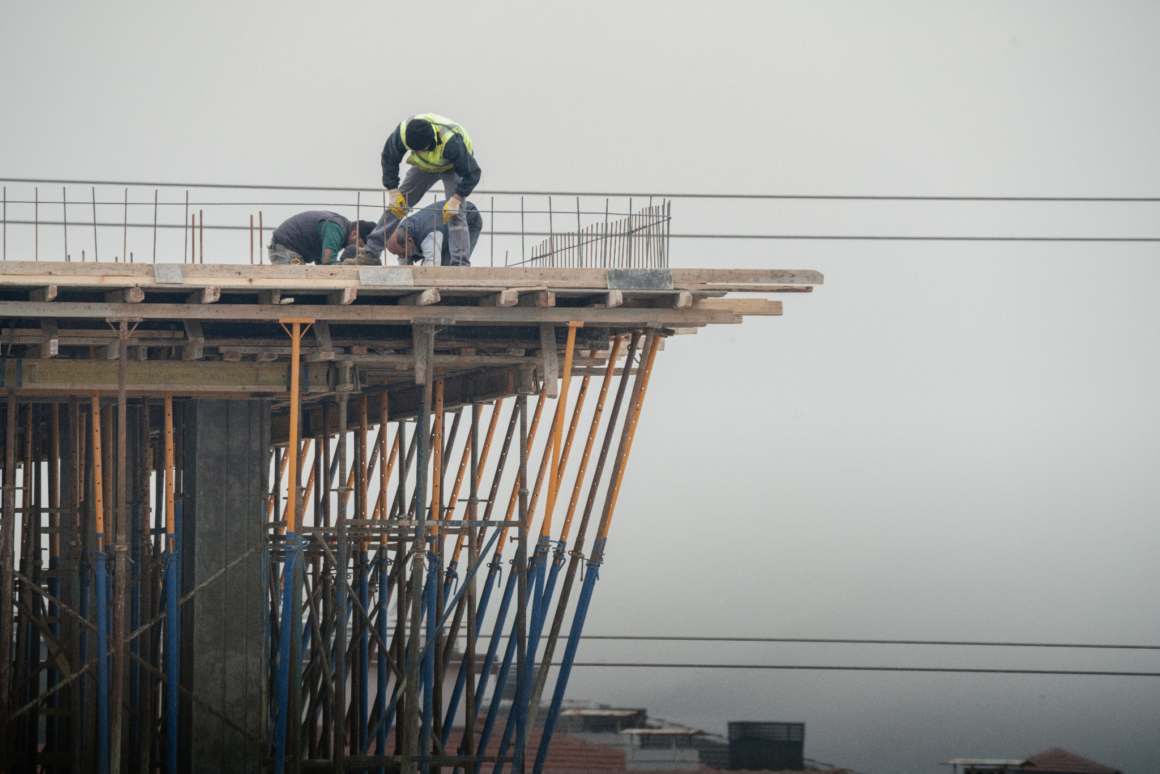
Construction sites are risky workplaces. With heavy machinery, high heights, and constant movement, anything can happen at any time. This makes it essential to protect your work environment from the start instead of waiting until an accident occurs. Proactive approaches help avoid financial consequences that can arise from liability claims, project delays, and fines for non-compliance.
Unfortunately, having the right equipment alone does not mean a strong safety culture. Safety must become part of how everyone approaches their work each day. Every person should understand their role in maintaining a safe working environment. Here are four ways construction companies can build a safer work environment.
Table of Contents
ToggleMake Safety Everyone’s Business
Safety is not a one-man job. Everyone on the site plays a huge role in preventing accidents. Workers should be encouraged to report hazards, near misses, damaged equipment, and unsafe practices. They should be able to do this without worrying about being blamed. These reports should be taken seriously and responded to promptly. Some ways to reinforce shared responsibility include:
- Encouraging workers to speak up
- Adding safety responsibility in job descriptions
- Recognising employees who demonstrate safe practice publicly
- Creating clear procedures for reporting
Every person should understand that their actions affect the entire team. This will make safety a collective priority rather than a workplace rule.
Provide Regular Safety Training
A one-time safety orientation is rarely enough to prepare workers for every situation they may encounter. Ongoing training keeps staff members aware of changing risks and how to respond in case of emergency.
Training should go beyond reading manuals. It has to include safety drills. Short daily toolbox talks can also be useful. Even a 10-minute discussion can be effective. It will help keep safety at the forefront of workers’ minds without disrupting productivity.
Without ongoing training, on the other hand, employees may be comfortable with risky habits that could put themselves and others at risk. Be on the lookout of areas that may require more training.
Encourage Open Communication
Good communication can prevent small safety concerns from becoming serious accidents. Have accessible communication channels to everyone at work. An accident report should not simply result in paperwork and a return to normal operations. Focus on understanding what went wrong and how to prevent a similar event from happening again, not just pointing fingers. When leadership responds positively to concerns, it strengthens the culture.
Using mobile solutions can also improve transparency. Workers should know exactly who to contact. This can provide an opportunity to discuss:
- Recent incidents and near misses
- New hazards on the site
- Changes to work procedures
- Equipment or maintenance concerns
Importantly, communication should work in both directions. You can encourage open communication by listening actively and asking questions.
Educate Workers About Health Risks
You should address more than immediate risks. Construction poses huge dangers that can be easy to overlook. This includes the risk of exposure to hazardous materials such as asbestos.
Educate staff on where they may encounter these materials, how exposure can occur, and what precautions they should take. Resources such as Mesothelioma Hope can also help workers learn about asbestos’s potential health effects and when to seek justice.
Exposure to lead, silica dust, and mold should also be taken seriously. Give clear guidance on how to prevent the exposures. This may include using appropriate personal protective equipment and following safe handling procedures.
Endnote
A strong construction safety culture is one built through consistent actions. When companies make safety everyone’s responsibility, they create an environment where workers are more prepared to identify and manage risks. This does not mean simply complying with safety requirements. It is to create a workplace where every person understands that getting the job done safely is just as important as getting it done on time.